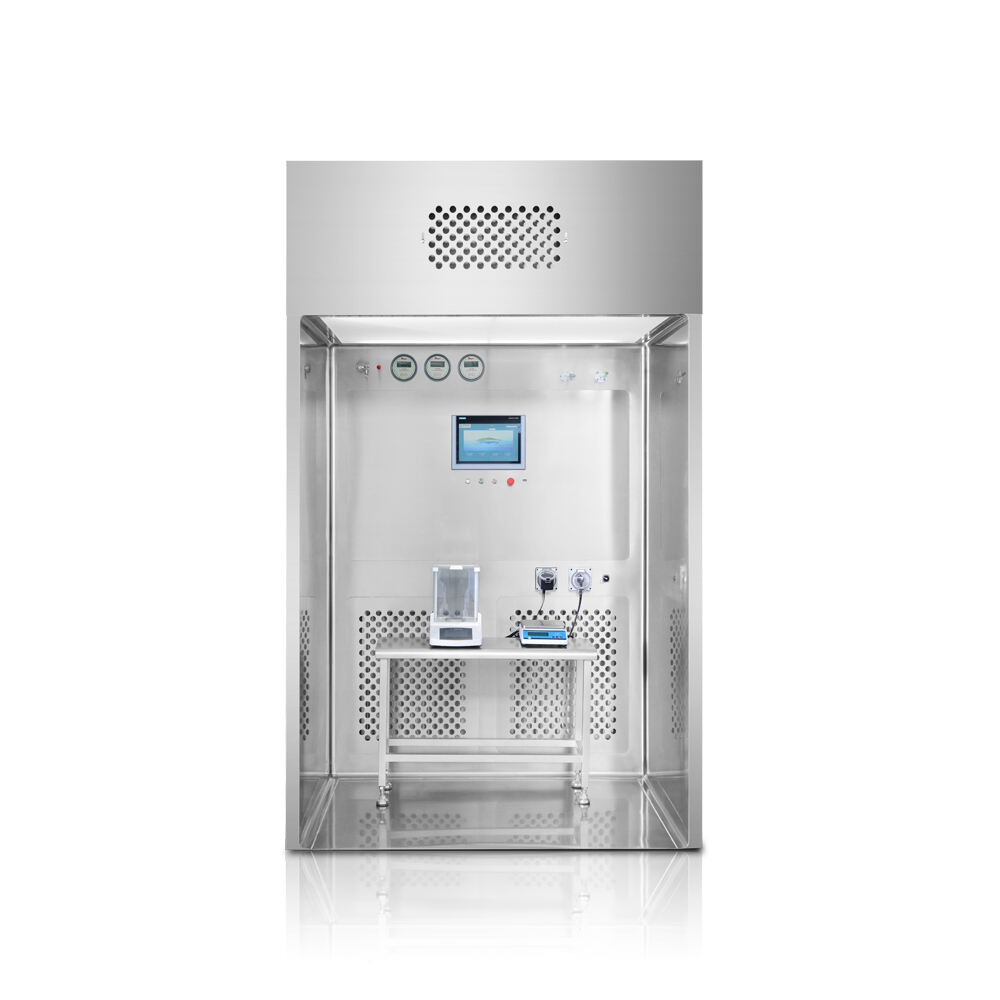
The HEPA filter from a clean bench is a powerful super vacuum. It sucks in all the air in a lab and filters out the dangerous particles that could make someone sick. These filters are particularly necessary when scientists are handling hazardous chemicals or biological agents. If these materials are released into the air, they can lead to highly damaging consequences. And HEPA filters are used to so ensure that the air in the lab is no longer going to be able to breathe.
These filters are extremely effective, and can trap even the smallest airborne particles. This means that the lab can be kept clean and sterile, something that is critical for a lot of experiments. The lack of clean bench HEPA filters in the lab could lead to the contamination of the lab, and the experiments might not yield as expected. For scientists to receive accurate results, it is crucial to keep the lab clean.

Clean bench HEPA filters also help solve another issue which is contamination. Pencils and mice, randomization and reverse translationSometimes if scientists are working on material, they can cause a cross contamination in their data. This may cause incorrect outcomes and cost lots of time and costs. No one wants to spend hours or days polishing up something, only to discover that it is wrong.

However, with the help of Huajing's clean bench HEPA filters, scientists can work without concern of contamination. The filters hold all of the little particles in the air in place so that nothing can get in the way. It frees up scientists to concentrate on their work and to get accurate results every time they run an experiment. Knowing that their work environment is safe means scientists can be more confident in their results.
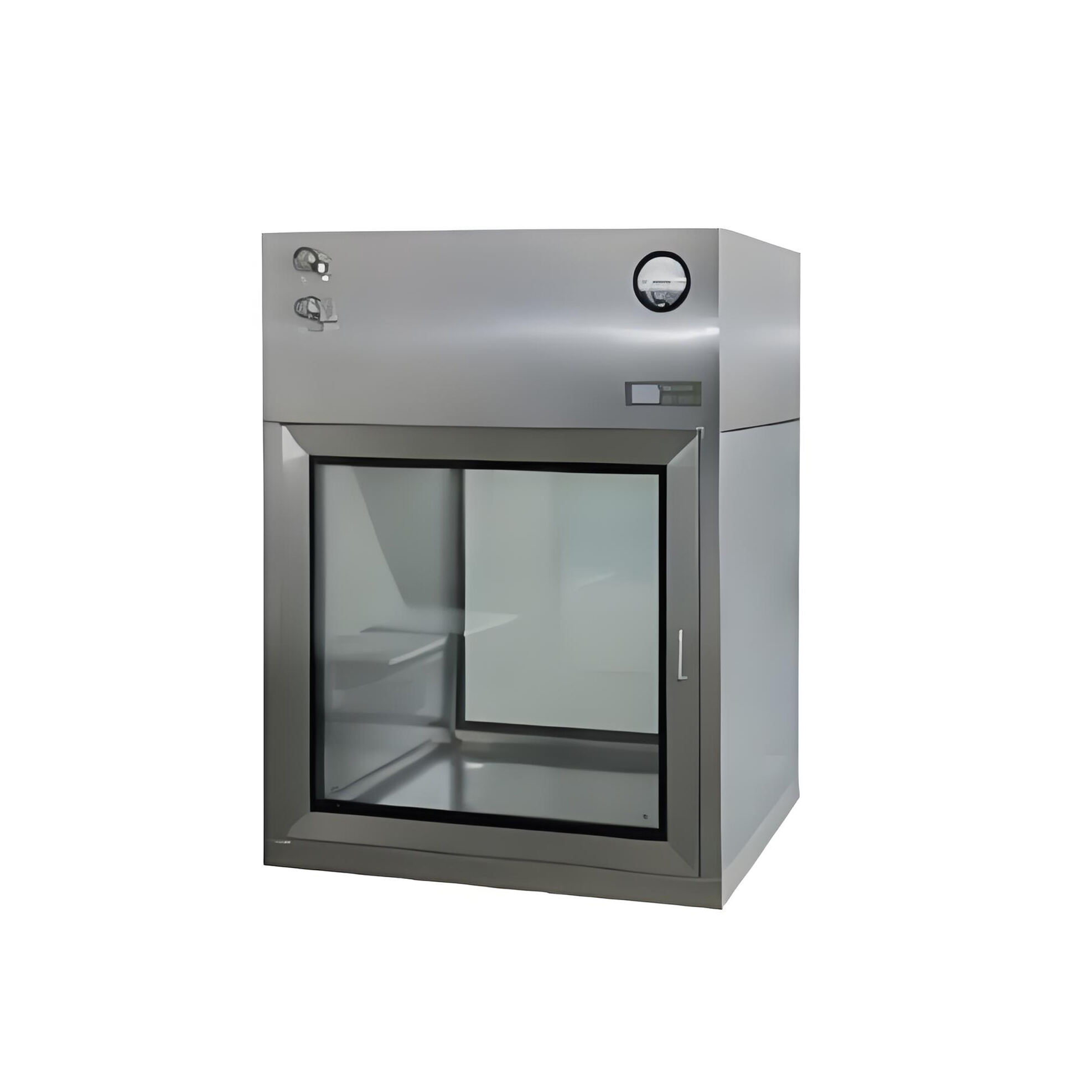
Currently, air with the HEPA filter is the best cleaner of air and harmful plants. Huajing's clean bench HEPA filters go even further as they are engineered to trap particles as small as 0.3 microns! Just to put that in perspective, a human hair is roughly 100 microns thick! What that means is that the HEPA moreover can catch particles, which are thousands of times smaller than observable substance to the eye.




 EN
EN
 AR
AR
 BG
BG
 HR
HR
 CS
CS
 DA
DA
 FR
FR
 DE
DE
 EL
EL
 HI
HI
 JA
JA
 IT
IT
 KO
KO
 PL
PL
 PT
PT
 RU
RU
 RO
RO
 ES
ES
 SV
SV
 ID
ID
 VI
VI
 TH
TH
 TR
TR
 FA
FA
 MS
MS
 GA
GA
 SW
SW
 BE
BE
 UR
UR
 BN
BN
 BS
BS
 MR
MR
 MN
MN
 PA
PA
 UK
UK
 NL
NL
 NO
NO
 SK
SK
 LO
LO
 LA
LA