EN
EN
 AR
AR
 BG
BG
 HR
HR
 CS
CS
 DA
DA
 FR
FR
 DE
DE
 EL
EL
 HI
HI
 JA
JA
 IT
IT
 KO
KO
 PL
PL
 PT
PT
 RU
RU
 RO
RO
 ES
ES
 SV
SV
 ID
ID
 VI
VI
 TH
TH
 TR
TR
 FA
FA
 MS
MS
 GA
GA
 SW
SW
 BE
BE
 UR
UR
 BN
BN
 BS
BS
 MR
MR
 MN
MN
 PA
PA
 UK
UK
 NL
NL
 NO
NO
 SK
SK
 LO
LO
 LA
LA

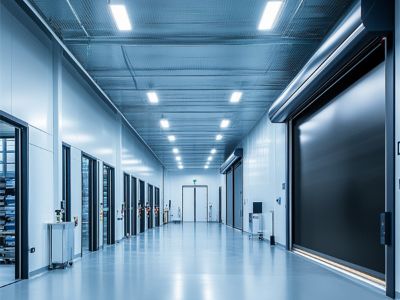
Clean room windows and viewing panels are essential components in controlled environments, particularly in industries such as pharmaceuticals, biotechnology, and food processing. These products ensure visibility while maintaining cleanliness and compliance with stringent contamination control standards. Buyers often face concerns regarding material selection, regulatory compliance, and installation requirements. This article will guide you through the critical considerations when selecting clean room windows and viewing panels, helping you make informed purchasing decisions.
How to Choose the Right Clean Room Windows for Your Application?
Selecting the right clean room windows involves understanding both your application needs and the specific characteristics of the windows themselves. Considerations include the level of cleanliness required, the type of environment (e. g., sterile or controlled), and the potential exposure to chemicals or extreme temperatures.
Material Selection: Common materials for clean room windows include tempered glass and polycarbonate. Tempered glass is preferred for its durability and clarity but may require more stringent handling to prevent breakage. Polycarbonate, while less durable than glass, offers excellent impact resistance and is lighter, making it easier to install.
Dimensions and Configuration: The size and configuration of the windows should be determined by the layout of your clean room and the flow of operations. Ensure that the dimensions allow for adequate visibility without compromising the integrity of the clean room design environment.
Sealing and Insulation: Proper sealing is critical to prevent contamination. Windows should be designed to minimize air leaks and ensure that they are fully integrated into the clean room’s barrier system. Evaluate the insulation properties to maintain temperature control, especially in environments where temperature fluctuations can affect product integrity.
Evaluating Quality Standards for Clean Room Viewing Panels
When assessing clean room viewing panels, it's crucial to consider the quality standards they must meet. Various certifications and testing protocols can indicate the reliability and performance of these products.
Industry Standards: Look for compliance with standards such as ISO 14644, which outlines cleanroom classification, and ASTM standards related to material performance. Ensure that the windows and panels meet the necessary cleanroom classifications for your specific application.
Quality Control Processes: A reputable manufacturer should have a robust quality control system in place. This includes testing for clarity, strength, and resistance to chemicals. Understanding the manufacturer's quality assurance processes can provide peace of mind regarding the longevity and performance of the product.
Traceability and Documentation: Request documentation that traces the materials used in the production of modular clean room windows and panels. This traceability ensures that all components meet the required standards and can be audited if necessary.
Sourcing Clean Room Windows and Panels
Sourcing quality clean room windows and viewing panels requires careful evaluation of suppliers and their capabilities. Here are some key considerations:
Supplier Experience: Choose suppliers with extensive experience in clean room construction and design. Established manufacturers like SHP, with over 20 years in the industry, understand the unique requirements of different sectors including pharmaceuticals and biotechnology.
Customization Options: Many projects require customized solutions to fit specific dimensions or operational needs. Ensure that your supplier can accommodate custom requests without compromising quality or lead times.
Pricing Factors: Prices can vary significantly based on material, size, and customization. Engage in discussions with potential suppliers to understand how these factors influence pricing. It’s advisable to obtain multiple quotes to compare costs effectively.
Lead Times: Confirm lead times for production and delivery. Delays can impact project schedules, so it’s essential to align your sourcing timelines with your project’s deadlines.
Installation Guidance for Clean Room Windows in Controlled Environments
Proper installation of clean room windows is critical to maintaining the integrity of the controlled environment. Here are some essential installation tips:
Preparation of Surrounding Structures: Ensure that the walls and frames where windows will be installed are clean and free of contaminants. Any dust or debris can compromise the cleanroom environment.
Installation Techniques: Follow manufacturer guidelines for installation to ensure that the seals are effective and that there are no gaps that could allow contamination. Proper alignment is crucial to maintain the performance of the clean room.
Post-Installation Inspection: Once installed, conduct a thorough inspection to ensure that all seals are intact and that the windows are functioning as intended. This includes checking for any potential air leaks and ensuring that the panels are secure.
Common Challenges with Clean Room Viewing Panels and Their Solutions
Despite careful selection and installation, challenges with clean room viewing panels can arise. Here are some common issues and ways to address them:
Fogging and Condensation: This can occur due to temperature differences between the interior and exterior of the clean room. Using anti-fog coatings or ensuring proper ventilation can mitigate this issue.
Scratches and Damage: Clean room windows can be susceptible to scratches, especially during maintenance. Using appropriate cleaning materials and techniques can minimize the risk of damage. Regular training for staff on best practices for maintenance is also advisable.
Regulatory Compliance: Changes in regulations can affect your clean room setup. Stay informed about industry changes and collaborate with your supplier to ensure your clean room windows and panels continue to meet compliance requirements.
By understanding these aspects of clean room windows and viewing panels, you can make informed decisions that enhance the efficiency and compliance of your controlled environments. Whether you're in pharmaceuticals, biotechnology, or food processing, investing in the right materials and practices will ensure the success of your clean room operations.
Table of Contents
- How to Choose the Right Clean Room Windows for Your Application?
- Evaluating Quality Standards for Clean Room Viewing Panels
- Sourcing Clean Room Windows and Panels
- Installation Guidance for Clean Room Windows in Controlled Environments
- Common Challenges with Clean Room Viewing Panels and Their Solutions