EN
EN
 AR
AR
 BG
BG
 HR
HR
 CS
CS
 DA
DA
 FR
FR
 DE
DE
 EL
EL
 HI
HI
 JA
JA
 IT
IT
 KO
KO
 PL
PL
 PT
PT
 RU
RU
 RO
RO
 ES
ES
 SV
SV
 ID
ID
 VI
VI
 TH
TH
 TR
TR
 FA
FA
 MS
MS
 GA
GA
 SW
SW
 BE
BE
 UR
UR
 BN
BN
 BS
BS
 MR
MR
 MN
MN
 PA
PA
 UK
UK
 NL
NL
 NO
NO
 SK
SK
 LO
LO
 LA
LA

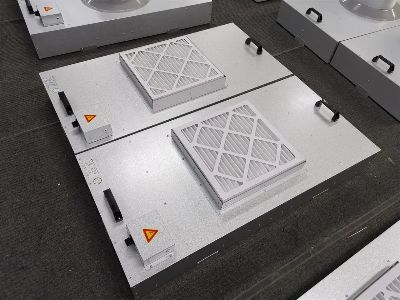
In process-sensitive manufacturing environments, maintaining precise environmental conditions is crucial, particularly when it comes to temperature control in ISO 8 clean rooms. Effective temperature management ensures product integrity and compliance with industry regulations. This article will address key considerations for selecting ISO 8 clean room temperature control systems, quality evaluation, sourcing options, cost factors, and common challenges along with their solutions.
What to Consider When Choosing ISO 8 Clean Room Temperature Control
When selecting a temperature control system for an iso 8 clean room clean room, several factors must be taken into account. First, the specific cooling and heating requirements based on the clean room's application should be assessed. For instance, pharmaceutical and biotechnology sectors may need tighter temperature ranges to safeguard sensitive materials.
Next, the system's compatibility with existing clean room designs is vital. Consideration should be given to the layout and airflow patterns within the clean room, as these can affect temperature uniformity and control effectiveness. Additionally, energy efficiency plays a critical role in ongoing operational costs, so look for systems that offer advanced controls and energy-saving features.
Finally, the scalability and flexibility of the temperature control system should be evaluated. As manufacturing needs evolve, the ability to adapt temperature controls without significant modifications can save time and costs in the long run.
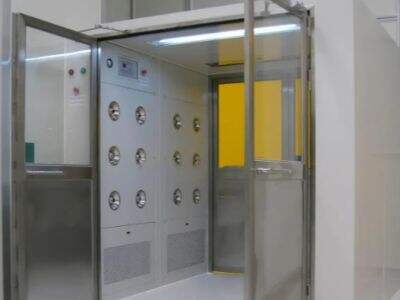
How to Evaluate Quality in ISO 8 Clean Room Systems
Quality evaluation of ISO 8 clean room temperature control systems involves several critical parameters. Begin by reviewing the system's certifications and compliance with industry standards, such as ISO 14644-1, which outlines clean room classifications. This helps ensure that the system meets the necessary cleanroom performance requirements.
Next, inspect the materials and components used in the system. High-quality components, such as reliable temperature sensors and robust insulation, contribute significantly to system longevity and performance. In addition, consider the system's ability to maintain temperature fluctuations within the specified limits. This is particularly important in processes that are sensitive to even slight temperature variations.
Engaging in a thorough quality control process before purchasing is essential. Request data on the manufacturer's testing protocols and performance metrics, and consider conducting site visits to observe the system in operation if possible. This firsthand evaluation can provide valuable insights into the system's reliability and effectiveness.
Where to Source Reliable ISO 8 Clean Room Temperature Control Products
Sourcing reliable iso 8 cleanrooms clean room temperature control products should involve a multi-faceted approach. Start by identifying reputable manufacturers known for their expertise in clean room design and construction, such as SHP, which has over 20 years of experience in the industry. Their established history can provide confidence in product quality and reliability.
Participate in industry trade shows and exhibitions where manufacturers showcase their latest technologies and solutions. This allows for direct interaction with suppliers and the opportunity to discuss specific needs and customizations.
Online platforms and industry directories can also be useful resources. Look for suppliers with positive customer reviews and case studies that demonstrate their experience in your specific sector, whether it be pharmaceutical, biotechnology, or microelectronics.
Finally, request samples or pilot systems before committing to a large order. This will allow you to evaluate the product's performance in your clean room environment, ensuring it meets your operational requirements.
Cost Factors for Implementing ISO 8 Clean Room Temperature Control
The cost of implementing ISO 8 clean room temperature control systems can vary widely based on several factors. Initial procurement costs include the price of the equipment itself, which may include components like air handling units, chillers, and control systems. Ensure to request detailed quotations that break down these costs.
Installation expenses also play a significant role. Consider whether you will need specialized contractors for installation or if it can be managed in-house. Installation complexity can increase costs, especially if modifications to existing clean room infrastructure are required.
Moreover, ongoing operational costs should not be overlooked. Factors such as energy consumption, maintenance requirements, and potential downtime due to system failures can significantly impact the total cost of ownership. It is advisable to factor in these long-term expenses when evaluating different systems.
Finally, inquire about potential financing options or leasing arrangements that could help manage upfront costs while maintaining cash flow.

Common Problems with ISO 8 Clean Room Temperature Control and Solutions
Implementing ISO 8 clean room temperature control systems can present several challenges. One common issue is maintaining consistent temperature levels throughout the clean room. This can be caused by improper airflow distribution or inadequate system capacity. To address this, consider performing a detailed airflow analysis to identify any dead zones and ensure that the temperature control system is appropriately sized for the clean room's volume.
Another frequent concern is the maintenance of equipment. Regular maintenance is essential to prevent breakdowns that can lead to temperature fluctuations. Establishing a preventive maintenance schedule, including routine checks of sensors and controls, can mitigate this risk.
Lastly, the integration of new technology into existing systems can pose challenges. If upgrading or replacing components, ensure compatibility with existing infrastructure to avoid disruptions. Engaging with a knowledgeable supplier can provide insights into best practices for integration and system compatibility.
By understanding these common problems and their solutions, purchasing managers and engineers can make informed decisions that enhance the reliability and efficiency of their ISO 8 clean room temperature control systems.
Table of Contents
- What to Consider When Choosing ISO 8 Clean Room Temperature Control
- How to Evaluate Quality in ISO 8 Clean Room Systems
- Where to Source Reliable ISO 8 Clean Room Temperature Control Products
- Cost Factors for Implementing ISO 8 Clean Room Temperature Control
- Common Problems with ISO 8 Clean Room Temperature Control and Solutions