EN
EN
 AR
AR
 BG
BG
 HR
HR
 CS
CS
 DA
DA
 FR
FR
 DE
DE
 EL
EL
 HI
HI
 JA
JA
 IT
IT
 KO
KO
 PL
PL
 PT
PT
 RU
RU
 RO
RO
 ES
ES
 SV
SV
 ID
ID
 VI
VI
 TH
TH
 TR
TR
 FA
FA
 MS
MS
 GA
GA
 SW
SW
 BE
BE
 UR
UR
 BN
BN
 BS
BS
 MR
MR
 MN
MN
 PA
PA
 UK
UK
 NL
NL
 NO
NO
 SK
SK
 LO
LO
 LA
LA

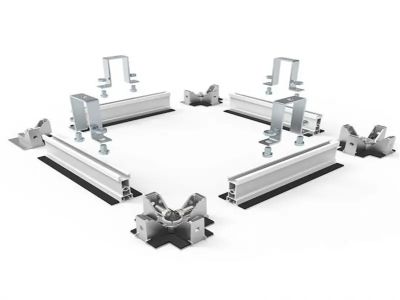
Understanding clean rooms and their manufacturing capabilities is essential for B2B buyers in industries that require controlled environments. Clean room manufacturers play a pivotal role in ensuring that these spaces meet specific regulatory and operational standards. This article will guide purchasing managers, engineers, and other decision-makers through the critical capabilities they should evaluate when selecting clean room manufacturers. By the end, you'll have a clearer understanding of how to make informed choices for your next clean room project.
Understanding Clean Room Specifications for Effective Buyer Decisions
When evaluating clean room specifications, buyers need to focus on several critical factors that directly impact performance and compliance. Key specifications include cleanliness levels, airflow patterns, temperature, and humidity control. Cleanliness levels are categorized by classes (for example, ISO 5, ISO 7), which indicate the maximum allowable particle counts in the air. Understanding these classifications is vital, as they dictate the type of processes that can occur within the clean room.
Airflow patterns, typically achieved through laminar or turbulent flow, are crucial for maintaining cleanliness. Laminar flow, which directs air in a unidirectional pattern, is ideal for sensitive operations, whereas turbulent flow can create more mixing but may not be suitable for all applications. Additionally, temperature and humidity levels must be maintained within specific ranges to ensure product integrity, especially in pharmaceutical and biotechnology sectors.
Buyers should also consider material specifications for clean room construction, including wall panels, flooring, and ceilings. These materials must be non-porous, easy to clean, and resistant to contaminants. By thoroughly reviewing these specifications, buyers can ensure that the clean room will meet their operational needs effectively.
Key Factors to Consider When Choosing Clean Room Suppliers
Selecting a clean room supplier involves evaluating several key factors that can significantly impact project success. First and foremost, assess the supplier's experience and expertise in the specific industry your clean room will serve. For instance, SHP, with over 20 years in fan filter unit for clean room design and construction, specializes in various sectors, including pharmaceuticals, biotechnology, and microelectronics. Their extensive knowledge can help streamline your project.
Next, consider the supplier's manufacturing capabilities. Factors such as production equipment and quality control processes are essential. Ensure that the manufacturer has the necessary certifications and standards in place, such as ISO 9001, which indicates a commitment to quality management. Additionally, inquire about their capacity for customization. A flexible supplier can adapt designs and specifications to meet unique client requirements.
Finally, assess the supplier's ability to provide ongoing support, including installation guidance and maintenance services. A responsive supplier that offers comprehensive support can help mitigate common issues that may arise during the project lifecycle.
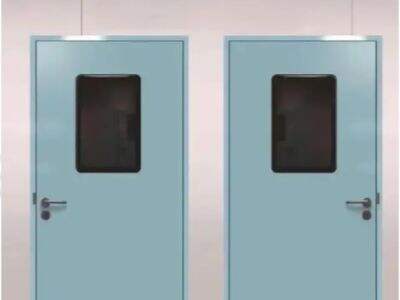
Comparing Clean Room Applications Across Various Industries
Clean rooms serve diverse applications across multiple industries, each with unique requirements. In the pharmaceutical industry, clean rooms are critical for drug manufacturing, where even minor contamination can have serious consequences. Here, ISO classifications play a vital role in determining the appropriate clean room design.
In biotechnology, clean rooms facilitate the production of biological materials, requiring strict environmental controls to maintain cell cultures and prevent contamination. The food and beverage industry also utilizes clean rooms, particularly in the production of sterile products, where hygiene and contamination prevention are paramount.
Microelectronics manufacturing demands clean rooms to protect sensitive electronic components during assembly. The specific clean room design and specifications may vary significantly depending on the industry, highlighting the importance of choosing a manufacturer with relevant experience and expertise.
Installation Guidance for Your Clean Room Projects
Proper installation is crucial for the functionality of clean rooms. Buyers should ensure that their chosen manufacturer provides comprehensive installation guidance to avoid common pitfalls. Before installation, it is essential to verify that all specifications align with the operational requirements outlined in the project scope.
During installation, ensure that the environment is prepared correctly, including the control of contaminants and the management of ambient conditions. Pay close attention to the sealing of joints and connections, as these are potential weak points where contamination could occur.
Post-installation, conduct a thorough inspection of the clean room to ensure it meets all specified requirements. This includes verifying airflow patterns, cleanliness levels, and environmental controls. By following these guidelines, buyers can help ensure that their ffu clean room operates effectively from day one. 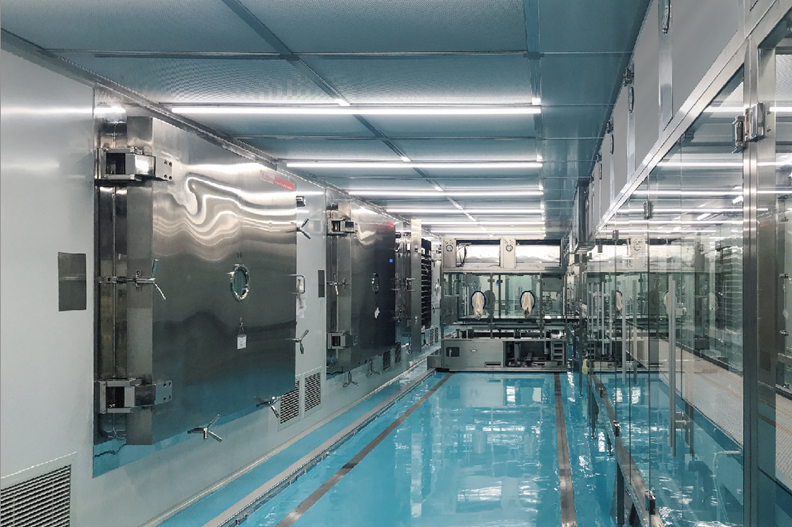
Addressing Common Problems in Clean Room Design and Solutions
Clean room projects can encounter various challenges, which can often be mitigated through careful planning and execution. One common issue is inadequate airflow, which can lead to contamination. Buyers should work closely with their manufacturer to ensure that the airflow design aligns with the clean room’s intended use.
Another frequent problem is the selection of inappropriate materials. For instance, using materials that are not compatible with the intended cleaning agents can lead to degradation and contamination. Buyers must confirm that all materials meet the necessary specifications for their application.
Finally, buyers should be aware of the importance of ongoing maintenance. Regular inspections and maintenance procedures are crucial for ensuring the clean room remains compliant with necessary standards. A good supplier will provide a maintenance plan to help buyers keep their clean rooms in optimal condition.
By understanding these common challenges and proactively addressing them, buyers can enhance the long-term performance and reliability of their clean rooms.
Table of Contents
- Understanding Clean Room Specifications for Effective Buyer Decisions
- Key Factors to Consider When Choosing Clean Room Suppliers
- Comparing Clean Room Applications Across Various Industries
- Installation Guidance for Your Clean Room Projects
- Addressing Common Problems in Clean Room Design and Solutions