EN
EN
 AR
AR
 BG
BG
 HR
HR
 CS
CS
 DA
DA
 FR
FR
 DE
DE
 EL
EL
 HI
HI
 JA
JA
 IT
IT
 KO
KO
 PL
PL
 PT
PT
 RU
RU
 RO
RO
 ES
ES
 SV
SV
 ID
ID
 VI
VI
 TH
TH
 TR
TR
 FA
FA
 MS
MS
 GA
GA
 SW
SW
 BE
BE
 UR
UR
 BN
BN
 BS
BS
 MR
MR
 MN
MN
 PA
PA
 UK
UK
 NL
NL
 NO
NO
 SK
SK
 LO
LO
 LA
LA

Custom clean rooms are essential environments designed to maintain controlled conditions for complex industrial production requirements, particularly in sectors such as pharmaceuticals, biotechnology, chemicals, food and beverage, and microelectronics. As a professional clean room engineering builder and solutions provider with over 20 years of experience, SHP specializes in adapting clean room designs to meet the unique needs of its clients. we will explore key specifications, selection criteria, purchasing considerations, sourcing options, and installation guidance to help B2B buyers make informed decisions regarding custom clean room manufacturing.
Custom Clean Room Specifications for Complex Industrial Needs
When considering custom clean room manufacturing, it’s crucial to focus on specific specifications that directly impact performance and compliance with industry standards. Key specifications include:
Classifications: Clean rooms are classified based on the level of cleanliness, measured by the number of particles in the air. Common classifications range from ISO 1 (the cleanest) to ISO 9. Depending on the industry, the chosen class will dictate air filtration systems, material choices, and design.
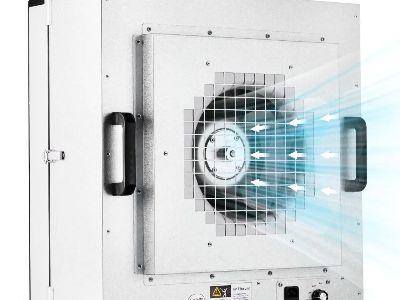
Materials: The construction materials of a fan filter unit for clean room.
significantly affect its durability and compliance. Stainless steel, for example, is preferred for its resistance to corrosion and ease of cleaning, while specialized wall and ceiling panels can enhance the room's insulation and air-tightness.
Air Flow and Filtration: Airflow patterns (unidirectional vs. non-unidirectional) impact contamination control. Advanced HEPA or ULPA filters are essential for maintaining air purity, especially in industries where even minute particles can affect product quality.
Temperature and Humidity Control: Many applications require strict temperature and humidity regulations. Custom HVAC systems should be designed to maintain these conditions consistently, considering the specific processes that will occur within the clean room.
Understanding these specifications will enable buyers to evaluate their specific requirements and ensure that the clean room design aligns with their operational needs. 
How to Choose the Right Clean Room for Your Manufacturing Process?
Selecting the appropriate clean room for a manufacturing process involves several considerations. Key factors include:
Industry Requirements: Different industries have varying cleanliness standards. For instance, pharmaceutical environments may require a higher ISO class than those in food and beverage processing. Understanding industry regulations will guide appropriate decisions.
Size and Configuration: The clean room’s dimensions must accommodate the equipment and processes involved. The layout should facilitate efficient workflow while ensuring compliance with cleanliness protocols.
Customization Options: Buyers should inquire about the manufacturer’s ability to customize aspects such as airflow design, material selection, and integrated technology (e. g., monitoring systems). Customization ensures that the clean room supports specific operational needs effectively.
Budget Constraints: Establishing a clear budget early in the selection process will help narrow down choices. Buyers need to balance between cost and quality, ensuring that the chosen solution meets both performance requirements and financial limits.
By considering these factors, buyers can identify clean room solutions that not only comply with industry standards but also enhance their manufacturing processes.
Key Factors for Wholesale Buyers
Wholesale buyers seeking custom clean rooms should evaluate several critical factors to ensure they make informed purchasing decisions:
Minimum Order Quantity (MOQ): Understanding the manufacturer’s MOQ is vital for planning. Buyers should assess their production needs against the MOQ to avoid excess costs or inventory challenges.
Lead Time: Delivery timelines can significantly impact production schedules. Buyers should request lead time estimates upfront and consider manufacturers with a track record of timely deliveries.
Quality Control Processes: Inquire about the manufacturer’s quality assurance protocols. This includes inspection procedures, testing methods, and certifications. A robust quality control system is essential to ensure the ffu clean room.
meets specified standards.
Warranty and Support: Buyers should confirm warranty terms and after-sales support. Reliable manufacturers will provide comprehensive support, including maintenance guidance and troubleshooting assistance.
Evaluating these factors will help wholesale buyers select a clean room provider that aligns with their operational requirements and business objectives.

Where to Source Reliable Custom Clean Rooms for Industrial Use?
Sourcing reliable custom clean rooms requires careful consideration of potential suppliers. Options include:
Established Manufacturers: Look for manufacturers with a strong reputation and extensive experience in clean room design and construction. Companies like SHP, with over 20 years in the industry, bring valuable expertise and reliability.
Industry Associations: Engage with industry associations or networks that can provide recommendations for reputable suppliers. These organizations often have directories of qualified manufacturers.
Trade Shows and Expos: Attending industry trade shows allows buyers to connect directly with manufacturers, see product demonstrations, and discuss their specific needs in person.
Online Resources: Researching online can yield valuable insights. Review supplier websites, case studies, and customer testimonials to gauge the manufacturer's capabilities and past performance.
By tapping into these resources, buyers can identify credible suppliers that meet their custom clean room requirements.
Installation Guidance for Custom Clean Rooms in Various Industries
Proper installation of custom clean rooms is crucial for their effectiveness and compliance. Here are essential installation considerations:
Site Assessment: Conduct a thorough site assessment before installation. Understanding the existing infrastructure and potential challenges will help identify necessary modifications and ensure seamless integration.
Professional Installation: Engage experienced professionals for installation. Proper installation is critical for maintaining air tightness, effective airflow, and compliance with cleanliness standards. Training for on-site personnel may also be necessary to ensure they understand operational protocols.
Testing and Validation: Post-installation, conduct rigorous testing to validate that the clean room meets specified standards. This includes airflow testing, particle count measurements, and environmental condition assessments. Buyers should ensure that testing is documented and complies with industry regulations.
Documentation and Training: Provide comprehensive documentation on operational procedures and maintenance guidelines to ensure ongoing compliance. Training staff on clean room protocols fosters a culture of cleanliness and operational efficiency.
By adhering to these installation guidelines, companies can maximize the functionality and longevity of their custom clean rooms, supporting their complex industrial production needs effectively.