EN
EN
 AR
AR
 BG
BG
 HR
HR
 CS
CS
 DA
DA
 FR
FR
 DE
DE
 EL
EL
 HI
HI
 JA
JA
 IT
IT
 KO
KO
 PL
PL
 PT
PT
 RU
RU
 RO
RO
 ES
ES
 SV
SV
 ID
ID
 VI
VI
 TH
TH
 TR
TR
 FA
FA
 MS
MS
 GA
GA
 SW
SW
 BE
BE
 UR
UR
 BN
BN
 BS
BS
 MR
MR
 MN
MN
 PA
PA
 UK
UK
 NL
NL
 NO
NO
 SK
SK
 LO
LO
 LA
LA

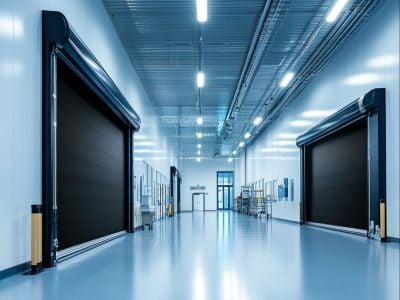
Clean room manufacturing quality control is crucial for maintaining the integrity of sensitive products across industries such as pharmaceuticals, biotechnology, and microelectronics. As a B2B buyer, you likely have concerns about the sourcing, quality assurance, and overall performance of clean room solutions. This article will provide you with essential insights into evaluating quality control in clean room manufacturing processes, sourcing reliable suppliers, addressing common installation issues, comparing clean room systems, and understanding the cost factors involved
How to Evaluate Quality Control in Clean Room Manufacturing Processes
Quality control in clean room manufacturing processes begins with the selection of raw materials, which must meet stringent industry standards for purity and contamination prevention. Buyers should look for suppliers who provide detailed specifications and certifications for these materials, such as ISO 14644 compliance for clean room environments
Once materials are sourced, the manufacturing process should include rigorous in-process inspections and testing. This may involve monitoring environmental conditions, such as temperature, humidity, and particulate counts, to ensure they remain within specified limits. Buyers should inquire about a supplier's quality assurance protocols, including the use of statistical process control (SPC) methods to identify and rectify deviations from standards
Before mass production, it is recommended to approve a finished sample. This not only confirms that the product meets the required specifications but also helps to ensure that dimensions, fit, and surface appearance are as expected. Buyers should also consider whether the supplier has a robust system for tracking and documenting quality metrics throughout the production cycle
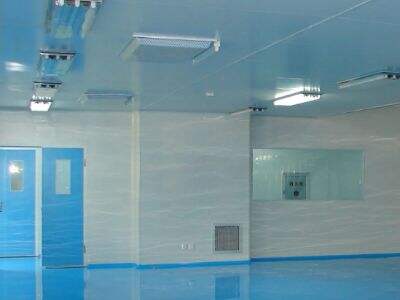
Where to Source Reliable Suppliers for Clean Room Solutions
Sourcing reliable suppliers for clean room solutions involves a combination of research and evaluation. Start by looking for suppliers with industry experience and a proven track record in clean room design and construction, such as SHP, which has over 20 years of expertise. Industry-specific trade shows and conferences can also serve as valuable venues for networking and identifying potential suppliers
When evaluating suppliers, consider their certifications, such as ISO 9001 for quality management systems and ISO 14644 for clean room standards. Additionally, request case studies or references from similar projects to assess their capabilities and reliability
In terms of communication, a responsive supplier who is willing to engage with you regarding your specific requirements is a good sign. Ensure that they can provide customization options tailored to your unique applications, such as specific airflow configurations or material choices
Common Installation Problems in Clean Room Projects and Solutions
Installation of clean room systems can present various challenges, particularly in ensuring that the environment remains uncontaminated throughout the process. Common issues include improper sealing, which can lead to leaks and contamination breaches, and insufficient airflow balance, which can affect particle control
To mitigate these issues, it is essential to conduct thorough pre-installation planning, including reviewing all technical drawings and specifications. Collaborating closely with the installation team and ensuring they are well-versed in clean room protocols can help reduce errors
Another common problem is the integration of clean room systems with existing infrastructure. This requires careful planning to ensure that all components, such as HVAC systems and filtration, are compatible and can operate effectively together. Consider conducting a risk assessment to identify potential installation challenges early in the process, allowing for proactive solutions
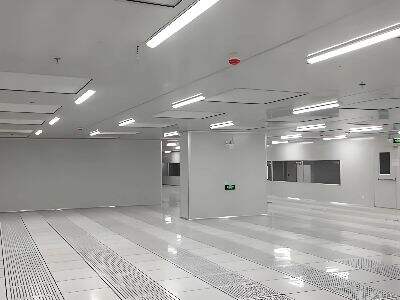
How to Compare Clean Room Systems for Your Specific Applications
When comparing clean room systems, focus on the specific requirements of your application. Factors to consider include the cleanroom classification, which is typically defined by the maximum allowable particle count; the required airflow rates; and the materials used in construction, which should align with your operational standards
Additionally, evaluate system configurations, such as modular versus traditional designs. Modular systems can offer flexibility and faster installation times, whereas traditional constructions might provide enhanced strength and longer lifespan. Understanding these differences can help you choose a system that best fits your operational needs
Another important aspect is the level of customization available. Ensure that the supplier can accommodate any specific design features or performance characteristics required for your application, such as specific temperature or humidity controls
Understanding the Cost Factors in Clean Room Manufacturing Options
The costs associated with clean room manufacturing can vary significantly based on several factors. The primary cost drivers include the complexity of the clean room design, the materials selected, the level of customization, and the installation requirements
For instance, high-performance materials that offer superior contamination control may come at a premium compared to standard options. Additionally, if your clean room requires specialized features, such as advanced filtration systems or unique airflow designs, these will also contribute to the overall cost
Buyers should also consider the lifecycle costs of clean room systems, including maintenance and operational expenses. Investing in quality materials and robust design can lead to lower maintenance costs and extended operational life, providing better value over time. When preparing a Request for Quotation (RFQ), be sure to provide detailed specifications to receive accurate pricing from suppliers
Table of Contents
- How to Evaluate Quality Control in Clean Room Manufacturing Processes
- Where to Source Reliable Suppliers for Clean Room Solutions
- Common Installation Problems in Clean Room Projects and Solutions
- How to Compare Clean Room Systems for Your Specific Applications
- Understanding the Cost Factors in Clean Room Manufacturing Options