EN
EN
 AR
AR
 BG
BG
 HR
HR
 CS
CS
 DA
DA
 FR
FR
 DE
DE
 EL
EL
 HI
HI
 JA
JA
 IT
IT
 KO
KO
 PL
PL
 PT
PT
 RU
RU
 RO
RO
 ES
ES
 SV
SV
 ID
ID
 VI
VI
 TH
TH
 TR
TR
 FA
FA
 MS
MS
 GA
GA
 SW
SW
 BE
BE
 UR
UR
 BN
BN
 BS
BS
 MR
MR
 MN
MN
 PA
PA
 UK
UK
 NL
NL
 NO
NO
 SK
SK
 LO
LO
 LA
LA

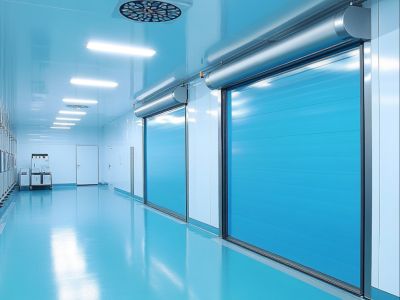
Understanding clean room manufacturing lead times is essential for businesses in the pharmaceutical, biotechnology, chemical, food and beverage, and microelectronics industries. Lead times can significantly impact project schedules and deliverables, making it crucial for buyers to grasp the various factors that influence these timelines. This article will explore the dynamics of clean room manufacturing lead times, address common buyer concerns, and provide practical guidance on selecting the right clean room for specific project needs
Factors Influencing Clean Room Manufacturing Lead Times
Several factors can affect lead times in clean room manufacturing. The complexity of the design is one of the primary contributors; more intricate designs generally require longer fabrication and installation periods. Material selection also plays a critical role; for instance, specific materials with unique properties may have longer procurement times due to limited suppliers or extensive testing requirements
Furthermore, regulatory compliance can add to lead times, as clean rooms must often meet stringent industry standards. This includes certifications and quality assurance processes that can extend the timeline. Lastly, the manufacturer’s production capacity and scheduling capabilities are vital; a manufacturer like SHP, with over 20 years of experience, can offer insights into realistic timelines based on their operational efficiency and resource availability
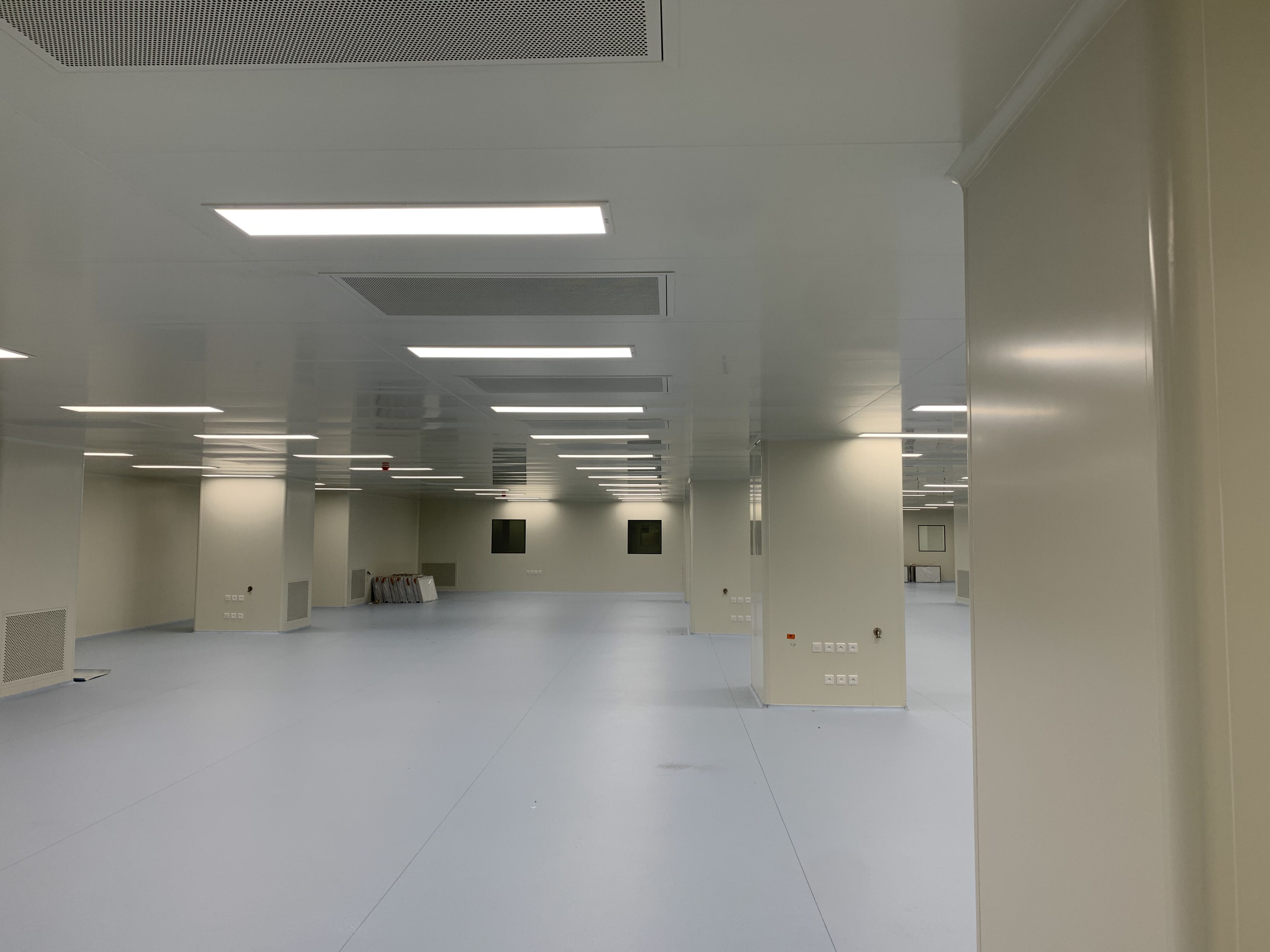
How to Choose the Right Clean Room for Your Project Needs
Choosing the right clean room requires a deep understanding of your project’s specific requirements. Start by assessing the necessary cleanliness level, often classified by ISO standards. For example, a pharmaceutical clean room may need to meet ISO Class 5 standards, which dictate stringent particulate limits
Next, consider the type of operations that will occur within the clean room. Will it be used for assembly, testing, or manufacturing? This question influences the design and layout. Additionally, evaluate your specific environmental controls—such as temperature, humidity, and airflow—required for your processes
Lastly, engage with a manufacturer like SHP to discuss customization capabilities. Custom features, such as modular designs or specialized materials, can significantly impact both the project scope and the lead time. It’s essential to provide detailed requirements upfront for accurate quotations and timelines
Comparing Clean Room Specifications for Informed Purchasing
When comparing clean room specifications, focus on several critical factors
Material Properties: The choice of materials affects not just the clean room's performance but also its durability and maintenance requirements. For instance, stainless steel is often preferred for its non-porous surface, while other materials may offer cost advantages but require more frequent cleaning
Airflow Systems: Evaluate the airflow design, as it directly impacts contamination control. Laminar flow systems provide a constant stream of filtered air, essential for sensitive operations
Size and Layout: Dimensions should correspond with operational needs. Ensure that the space can accommodate all necessary equipment and personnel without compromising the clean room's integrity
Safety Features: Consider the inclusion of emergency protocols, such as alarm systems and backup power supplies, which can be crucial for maintaining operational continuity
By understanding these specifications, buyers can make informed decisions that align with their operational needs and budget constraints
Understanding Cost Factors in Clean Room Manufacturing Projects
The cost of clean room manufacturing projects can vary widely based on several factors. Key considerations include
Design Complexity: More complex designs typically incur higher costs due to increased engineering and fabrication efforts. Custom designs can also lead to additional expenses
Materials and Equipment: The choice of materials and the sophistication of the equipment needed for HVAC, filtration, and other systems will significantly affect costs. High-performance materials may offer long-term savings against potential contamination issues
Labor and Installation: Labor costs can vary based on the complexity of installation. Ensure that the pricing includes all necessary labor, and consider the expertise of the installation team, as this can impact long-term performance
Regulatory Compliance Costs: Meeting industry standards often requires additional testing and certification, which can add to the overall budget
Buyers should request detailed quotations that outline these cost factors to avoid unexpected expenses during the project
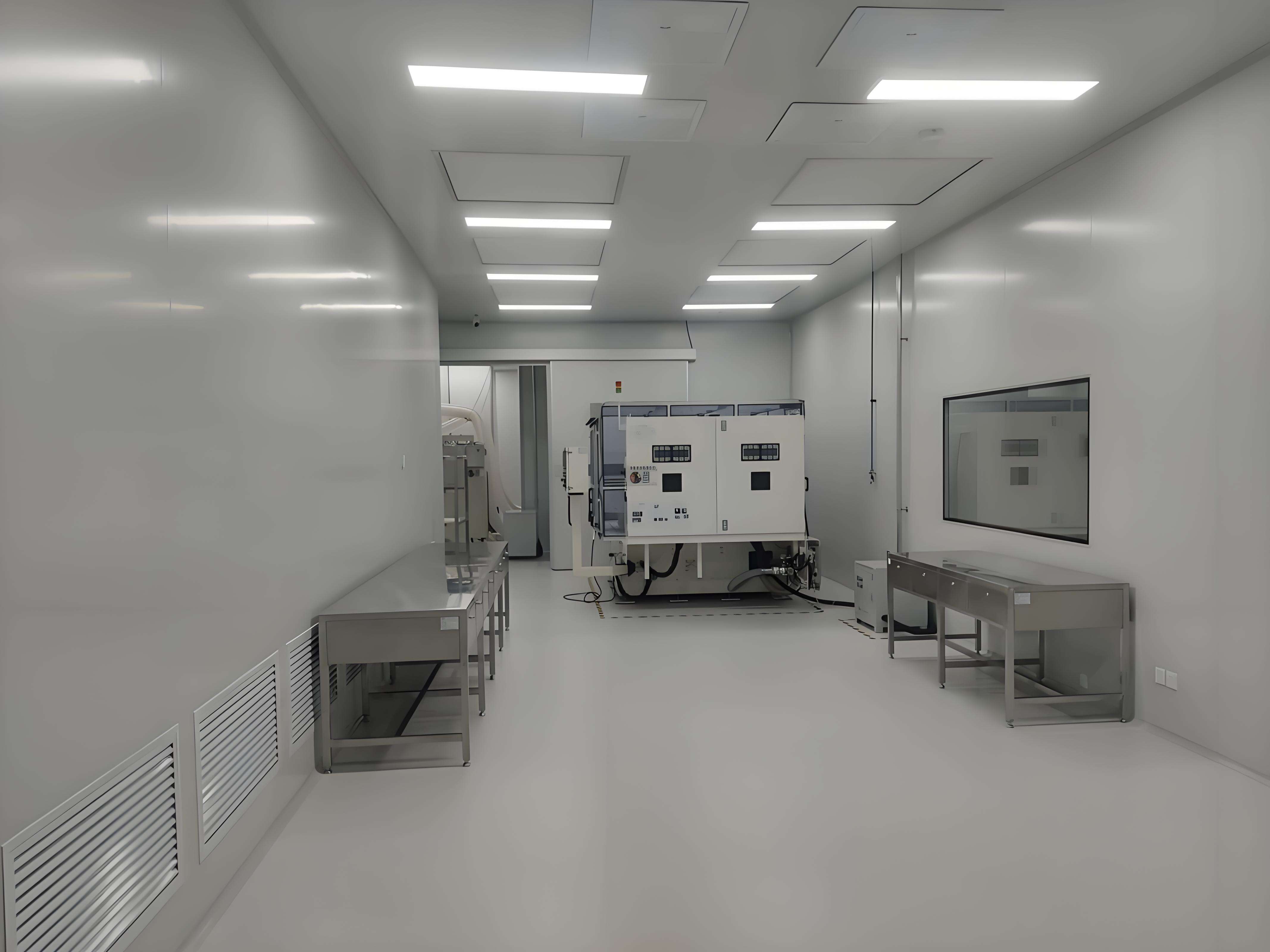
Evaluating Quality Control Measures in Clean Room Construction
Quality control is critical in clean room construction to ensure compliance with industry standards and operational effectiveness. Key measures include
Material Testing: Before installation, materials should be tested for cleanliness and performance under operational conditions. This may involve surface testing for particulate contamination
Process Validation: Throughout construction, process validation ensures that the clean room meets design specifications. This includes monitoring environmental controls during installation
Final Inspection: Upon completion, a thorough inspection should be conducted to confirm that all components meet quality standards. This often includes airflow tests, pressure differential checks, and contamination assessments
Engaging with a manufacturer experienced in clean room construction, such as SHP, can provide buyers with assurance regarding the quality control processes implemented throughout the project. This not only safeguards compliance but also enhances the reliability of the clean room for its intended applications
By understanding these various aspects of clean room manufacturing lead times, buyers can make informed decisions that align with their project requirements and ensure successful outcomes in their respective industries
Table of Contents
- Factors Influencing Clean Room Manufacturing Lead Times
- How to Choose the Right Clean Room for Your Project Needs
- Comparing Clean Room Specifications for Informed Purchasing
- Understanding Cost Factors in Clean Room Manufacturing Projects
- Evaluating Quality Control Measures in Clean Room Construction