EN
EN
 AR
AR
 BG
BG
 HR
HR
 CS
CS
 DA
DA
 FR
FR
 DE
DE
 EL
EL
 HI
HI
 JA
JA
 IT
IT
 KO
KO
 PL
PL
 PT
PT
 RU
RU
 RO
RO
 ES
ES
 SV
SV
 ID
ID
 VI
VI
 TH
TH
 TR
TR
 FA
FA
 MS
MS
 GA
GA
 SW
SW
 BE
BE
 UR
UR
 BN
BN
 BS
BS
 MR
MR
 MN
MN
 PA
PA
 UK
UK
 NL
NL
 NO
NO
 SK
SK
 LO
LO
 LA
LA

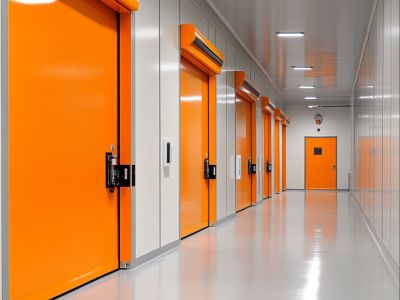
Clean room panel manufacturing involves the design and production of specialized panels for environments that require strict control over contamination, temperature, and humidity. Industries such as pharmaceuticals, biotechnology, and microelectronics rely on these controlled environments to ensure product integrity and safety. As a purchasing manager or engineer, understanding the factors that influence clean room panel construction, material quality, and installation challenges is essential for making informed decisions. This article will delve into the core construction technologies for controlled environments, providing insights that help you assess options and ensure the highest standards in your clean room projects
Understanding Cost Factors and Options
When evaluating clean room panel manufacturing, several cost factors come into play. The primary considerations include material selection, panel thickness, and the complexity of the design. For example, panels made from high-performance materials like stainless steel or specialized composites will likely incur higher upfront costs but can offer better durability and contamination control
Additionally, customization plays a significant role in both the functionality of the clean room and the overall budget. Buyers should consider whether standard panels will suffice or if custom solutions are necessary to meet specific regulatory standards or operational needs. It’s crucial to balance initial costs against long-term benefits like reduced maintenance and enhanced performance
Another cost factor is the installation process. Complex configurations may require skilled labor and specialized equipment, which can increase overall project costs. Buyers should also factor in ongoing operational costs, such as energy efficiency and maintenance, when evaluating different clean room panel options
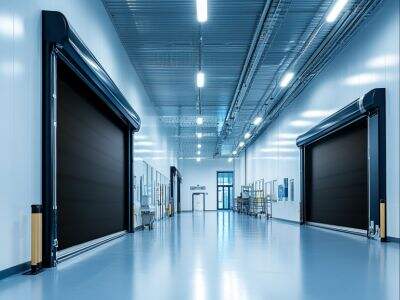
How to Evaluate the Quality of Clean Room Construction Materials
Evaluating the quality of materials used in clean room panels is essential for ensuring compliance with industry standards. Important attributes to consider include
Material Composition: Common materials for clean room panels include metal (such as aluminum and stainless steel) and composite materials. Each material has different properties concerning durability, resistance to chemicals, and ease of cleaning
Surface Finish: A smooth, non-porous surface minimizes the risk of contamination and facilitates cleaning. Look for panels with finishes that meet specific industry requirements for cleanliness and contamination prevention
Thickness and Insulation: The thickness of the panels affects their insulation properties, structural integrity, and soundproofing capabilities. Buyers should confirm that the material thickness is suitable for their specific application, taking into account factors like temperature control and load-bearing requirements
Before finalizing any purchase, it’s advisable to request samples or conduct tests to ensure that the materials meet the project’s specifications and performance standards
Common Clean Room Installation Problems and Effective Solutions
Successful installation of clean room panels can be challenging due to several common problems that may arise. One prevalent issue is misalignment, which can happen if panels are not properly prepared or if the installation area is not level. To mitigate this, thorough site assessments should be conducted before installation begins, ensuring that the foundation and mounting points are suitable for the panel system
Another frequent challenge is inadequate sealing between panels. This can lead to airflow inconsistencies and potential contamination. To address this, buyers should ensure that the installation team uses high-quality sealing materials and techniques that meet the specifications for the clean room's operational requirements
Finally, logistics can also pose a challenge, particularly when handling large panels or complex configurations. Proper planning regarding the delivery and movement of materials on site can help prevent damage and ensure a smooth installation process. Engaging with experienced contractors who understand these challenges can lead to more effective solutions and successful project outcomes
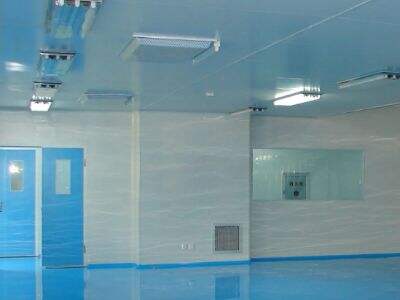
Key Applications for Clean Room Panels in Various Industries
Clean room panels serve crucial roles across several industries, with specific applications including
Pharmaceuticals: In drug manufacturing, clean rooms are essential for preventing contamination during production. Panels must meet stringent regulatory requirements and offer high durability
Biotechnology: Similar to pharmaceuticals, clean rooms in biotechnology require precise environmental control to protect sensitive research and product development processes
Food and Beverage: Clean room environments help ensure that food products are safe for consumption. Panels must be constructed from materials that can withstand frequent cleaning and resist bacterial growth
Microelectronics: The production of semiconductors and microchips requires ultra-clean environments to avoid defects. Panels must provide superior insulating properties and stability
Understanding these applications allows buyers to select clean room panels that align with specific industry requirements, ensuring optimal performance and compliance
Essential Features of Clean Room Panel Design
The design of clean room panels incorporates several essential features that enhance their functionality and effectiveness. Key attributes include
Modularity: Modular panel systems allow for flexibility in design and ease of future expansions or modifications, which is crucial in rapidly changing industries
Sealing Systems: Advanced sealing technologies are vital for minimizing airflow and preventing contamination. Buyers should look for systems that provide secure seals to maintain the integrity of the clean room environment
Thermal Performance: Given that many clean room applications involve temperature-sensitive products, panels should be designed with thermal insulation to maintain stable conditions
Integration Capabilities: Panels should easily integrate with other clean room components such as HVAC systems, lighting, and monitoring equipment to create a cohesive environment that meets operational needs
When selecting clean room panels, it's important to consider how these design features will impact the overall performance and efficiency of the clean room. Engaging with a knowledgeable supplier can help ensure that your selected panels meet all operational and regulatory requirements effectively