EN
 AR
 BG
 HR
 CS
 DA
 FR
 DE
 EL
 HI
 JA
 IT
 KO
 PL
 PT
 RU
 RO
 ES
 SV
 ID
 VI
 TH
 TR
 FA
 MS
 GA
 SW
 BE
 UR
 BN
 BS
 MR
 MN
 PA
 UK
 NL
 NO
 SK
 LO
 LA

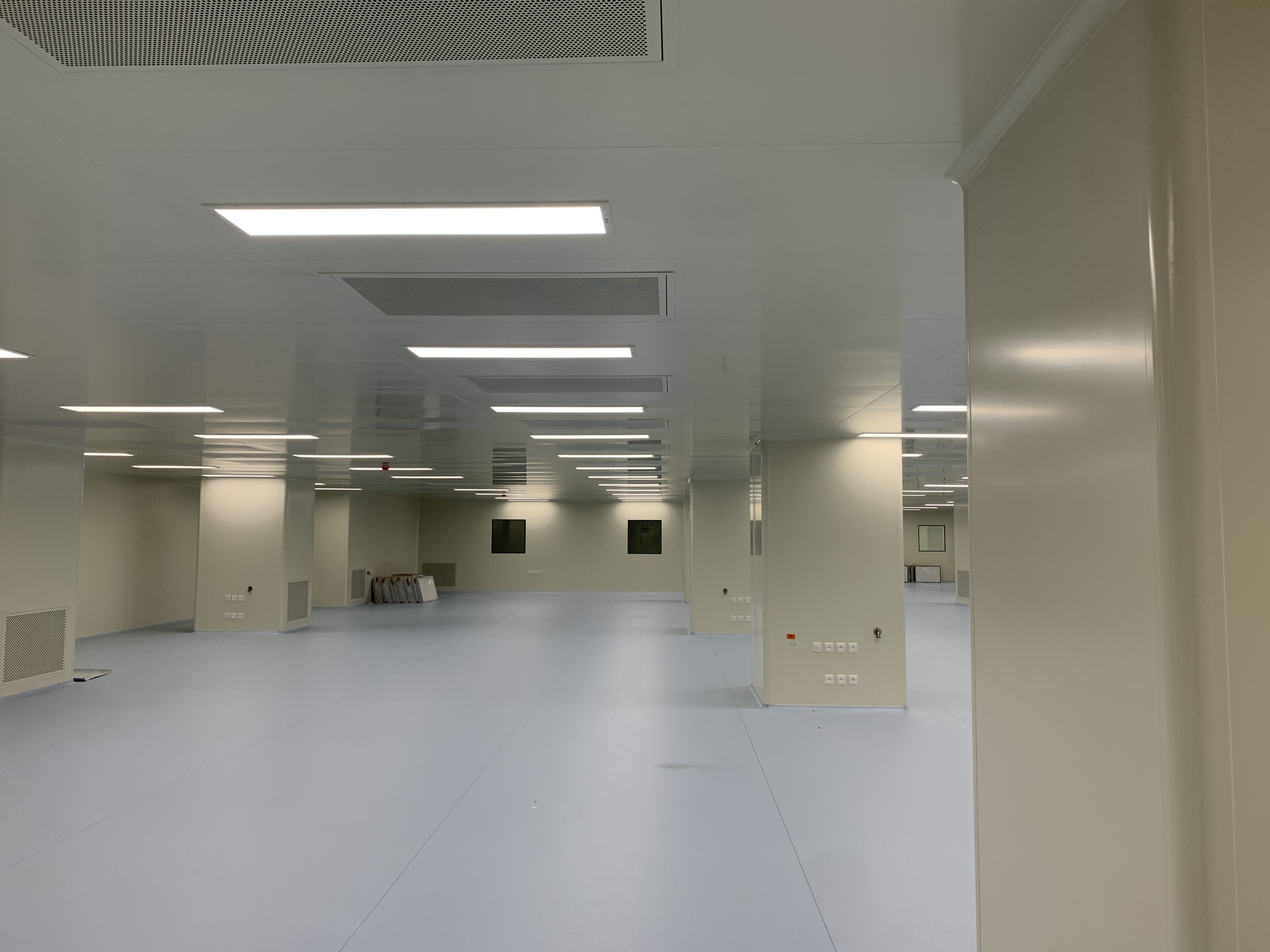
Understanding the ISO 8 Air Change Rate Engineering is crucial for designing effective cleanroom environments that meet industry-specific standards. This article will explore how to match ventilation capacity to room load, addressing key concerns for B2B buyers such as air quality, regulatory compliance, and operational efficiency. By delving into the essential specifications, cost factors, common challenges, applications across industries, and tips for wholesale purchasing, this guide aims to equip you with practical knowledge to make informed decisions regarding ISO 8 Air Change Rate Engineering.
Key Specifications for ISO 8 Air Change Rate Engineering Solutions
When evaluating ISO 8 Air Change Rate engineering solutions, several critical specifications must be considered. The air change rate is defined as the number of times the total air volume in a cleanroom is replaced in one hour. For an ISO 8 clean room environment, the typical air change rate ranges from 15 to 30 air changes per hour (ACH). This specification ensures that airborne contaminants are effectively diluted and removed, maintaining the necessary cleanliness levels as per ISO 14644-1 standards.
Another vital specification is the type of ventilation system employed, which can include HEPA or ULPA filters. The efficiency of these filters is measured by their Minimum Efficiency Reporting Value (MERV) rating; higher-rated filters capture smaller particles more effectively. Additionally, the design of the ductwork and airflow patterns needs to be optimized to prevent dead zones where contaminants may accumulate.
Buyers should also consider the room load, which refers to the heat generated by equipment, personnel, and other factors in the cleanroom. Proper calculations must dictate the total ventilation capacity required to offset this load, ensuring that the air change rate is sufficient to maintain a stable environment.
Cost Factors in ISO 8 Air Change Rate Engineering and Installation
The cost of ISO 8 Air Change Rate Engineering encompasses several components, each of which can significantly influence the overall budget. Key factors include the complexity of the cleanroom design, the materials selected for construction, and the type of HVAC system required. For instance, a more complex design with specialized airflow patterns will generally incur higher engineering costs.
Installation costs can also vary based on geographical location, labor rates, and local regulations. It is essential to factor in the long-term operational costs associated with energy consumption, maintenance, and filter replacements. Energy-efficient systems may have a higher upfront cost but can lead to substantial savings over time.
Moreover, customization requests can impact pricing. Buyers should be prepared to provide detailed specifications and requirements when requesting quotes to ensure accurate pricing. Understanding the interplay between these cost factors can help buyers allocate their budgets more effectively.
Common Problems with Ventilation Capacity and Their Solutions
Ventilation capacity issues can undermine the effectiveness of ISO 8 cleanroom solutions, leading to potential contamination and regulatory non-compliance. One common problem is inadequate air change rates, which can result from miscalculations during the design phase or changes in room load after installation. To address this, buyers should conduct thorough load calculations and consider regular assessments to adjust the ventilation system as needed.
Another frequent issue is the uneven distribution of airflow, which can create areas with stagnant air, allowing contaminants to settle. Implementing a well-designed airflow pattern, including the use of diffusers and strategically placed exhaust vents, can mitigate this problem.
Additionally, filter clogging is a common challenge that can reduce system performance. Regular maintenance schedules should be established to replace or clean filters as needed. Monitoring pressure differentials can also alert maintenance teams to potential airflow issues before they escalate.
Applications of ISO 8 Air Change Rate in Various Industries
ISO 8 Air Change Rate engineering is critical across various industries, including pharmaceuticals, biotechnology, chemical processing, food and beverage, and microelectronics. In the pharmaceutical industry, maintaining stringent air quality standards is essential for drug safety and efficacy. The ISO 8 cleanroom environments allow for the controlled manufacturing of sterile products, where even minimal contamination can have significant consequences.
In biotechnology, these cleanrooms support the production of sensitive biological materials, where contamination control is crucial for research and development. Similarly, in the food and beverage sector, ISO 8 environments help maintain product safety and quality by minimizing airborne contaminants.
Microelectronics manufacturing also relies heavily on cleanroom environments to prevent defects in semiconductor fabrication. The required air change rates ensure that particulate matter is effectively managed, safeguarding the integrity of sensitive electronic components.
Wholesale Purchasing Tips for ISO 8 Air Change Rate Equipment
When purchasing ISO 8 clean room showcase equipment wholesale, several tips can streamline the process and ensure optimal investment. First, it's crucial to gather comprehensive specifications and requirements, including the intended application, required air change rates, and any customization needs. This information is essential when requesting quotes from suppliers.
Next, consider the supplier's experience and expertise in cleanroom design and construction. A reputable company, such as SHP, which has over 20 years of experience in providing solutions for various industries, can offer valuable insights and recommendations based on specific needs.
Buyers should also inquire about lead times and minimum order quantities (MOQ) to align with project timelines. Understanding the supplier's quality control processes and certifications can further assure the reliability of the equipment being purchased. Lastly, requesting samples or conducting site visits can help validate the supplier's capabilities and ensure that the equipment meets the expected performance standards before finalizing the order.
navigating the complexities of ISO 8 Air Change Rate Engineering requires a deep understanding of specifications, cost factors, common problems, industry applications, and effective purchasing strategies. By leveraging this knowledge, B2B buyers can make informed decisions that enhance cleanroom performance and compliance, ultimately leading to improved operational efficiency and product quality.
Table of Contents
- Key Specifications for ISO 8 Air Change Rate Engineering Solutions
- Cost Factors in ISO 8 Air Change Rate Engineering and Installation
- Common Problems with Ventilation Capacity and Their Solutions
- Applications of ISO 8 Air Change Rate in Various Industries
- Wholesale Purchasing Tips for ISO 8 Air Change Rate Equipment