EN
 AR
 BG
 HR
 CS
 DA
 FR
 DE
 EL
 HI
 JA
 IT
 KO
 PL
 PT
 RU
 RO
 ES
 SV
 ID
 VI
 TH
 TR
 FA
 MS
 GA
 SW
 BE
 UR
 BN
 BS
 MR
 MN
 PA
 UK
 NL
 NO
 SK
 LO
 LA

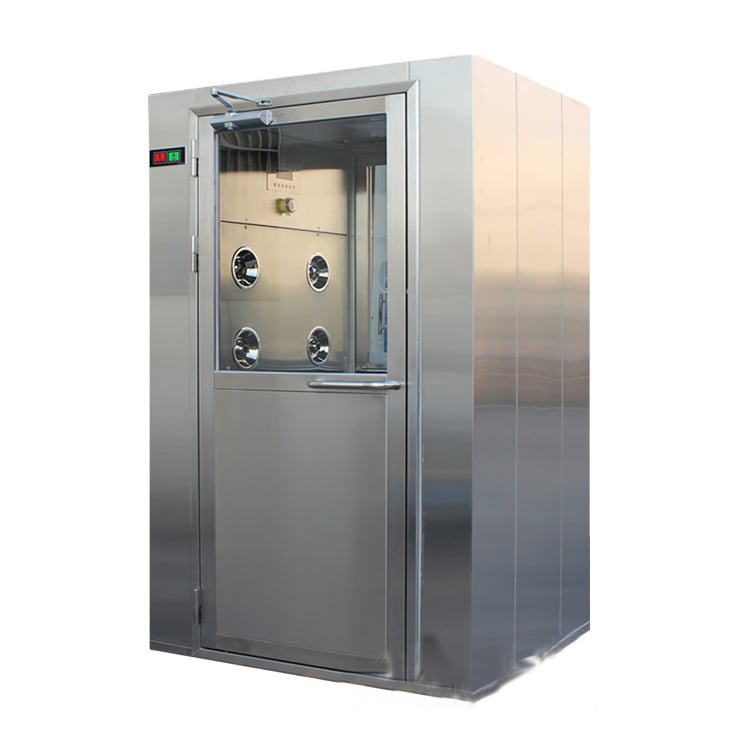
Choosing the right HEPA filtration configuration for ISO 8 clean rooms is critical for maintaining stringent air quality standards in sensitive environments. This article will explore the engineering selection factors that influence Huajing hepa fan filter unit for sale choices, addressing key concerns for B2B buyers, including purchasing managers and engineers. By understanding these factors, readers will be better equipped to make informed decisions regarding their clean room filtration systems.
What to Consider When Choosing HEPA Filtration for ISO 8 Clean Rooms
When selecting HEPA filtration systems for ISO 8 clean rooms, several factors must be taken into account to ensure compliance with cleanliness standards and operational efficiency. ISO 8 clean rooms are designed to limit particulate contamination, with a maximum allowable particle count of 3,520 per cubic meter for particles larger than 0.5 micrometers. Thus, the HEPA filters must have a high efficiency rating—typically 99.97% for 0.3-micron particles.
Filter Type: HEPA filters come in various configurations, such as panel filters, bag filters, and cartridge filters. The choice depends on the clean room's design and airflow requirements. Panel filters are common for smaller clean rooms, while bag filters may be more suitable for larger applications requiring high airflow.
Airflow Requirements: Calculating the airflow rate is essential. The design must ensure that the clean room achieves the necessary air changes per hour (ACH) while maintaining the desired pressure differential. This will dictate the type and number of HEPA filters required.
Filter Placement: The placement of filters within the clean room can affect performance. Filters should be installed in a manner that minimizes airflow bypass and maximizes filtration efficiency. For instance, using a ceiling-mounted filtration system can optimize air distribution.
Maintenance Needs: Understanding the maintenance schedule for HEPA filters is vital. Filters require regular inspection and replacement to maintain their effectiveness. Buyers should inquire about the recommended service intervals and the ease of access for filter changes.
How to Evaluate HEPA Filter Quality for Your Clean Room Needs
Evaluating HEPA filter quality involves scrutinizing various specifications and performance metrics. Given the critical nature of ISO 8 clean rooms, buyers must ensure that the filters meet stringent standards:
Efficiency Rating: Confirm that the HEPA filters are rated at least H13 according to EN 1822 standards, meaning they can capture at least 99.95% of particles measuring 0.3 micrometers.
Initial Resistance: This metric indicates how much resistance the filter will provide to airflow. A balance must be struck between efficiency and airflow; overly restrictive filters may hinder performance and require more energy to operate.
Material Composition: HEPA filters are typically made from glass fiber or synthetic media. The choice of material can impact the filter's durability, efficiency, and cost. Buyers should consider the operating environment—some materials perform better in humid or corrosive conditions.
Certification: Look for filters that have been tested and certified by recognized bodies. Certifications ensure that the filters meet specific performance and safety standards, providing peace of mind regarding their efficacy.
Cost Factors in Sourcing HEPA Filtration Solutions for Clean Rooms
Cost considerations are pivotal when sourcing Huajing clean room hepa fan filter unit solutions for ISO 8 clean rooms. Several factors influence pricing:
Material Costs: The type of filter media affects pricing. High-efficiency glass fiber filters may be more expensive upfront than synthetic options, but they may offer longer service life and better performance, potentially offsetting initial costs.
Volume Discounts: Purchasing in bulk can significantly reduce costs. Buyers should assess their needs and consider the total number of filters required over time to negotiate better pricing.
Maintenance and Replacement Costs: The total cost of ownership includes not just the purchase price but also ongoing maintenance expenses. Filters that require frequent replacement or specialized maintenance may end up being more costly in the long run.
Shipping and Handling: Depending on the supplier's location and the shipping methods used, transportation costs can vary. Buyers should evaluate shipping options and timelines, as expedited shipping may incur additional fees.
Where to Find Reliable Suppliers for HEPA Filters in Bulk Orders
Finding reliable suppliers for HEPA filters is crucial for ensuring consistent quality and availability. Some strategies include:
Industry Associations: Joining associations related to clean room technology or air filtration can provide access to a network of reputable suppliers. These organizations often have directories of certified manufacturers.
Trade Shows and Expos: Attending industry trade shows can offer firsthand experience with potential suppliers. Buyers can evaluate product offerings, discuss technical specifications, and establish relationships with manufacturers.
Online Marketplaces: While many online platforms offer HEPA filters, due diligence is essential. Look for suppliers with verified reviews, product certifications, and proven track records in clean room applications.
Requesting Samples: Before placing a bulk order, request samples to evaluate filter performance in your specific environment. This will help assess compatibility and ensure the chosen filters meet clean room requirements.
Common Issues with HEPA Filters and Solutions for Clean Room Use
HEPA filters can present several challenges in clean room applications, but being aware of potential issues allows for proactive solutions:
Filter Clogging: Over time, filters may become clogged with particulate matter, leading to reduced airflow and efficiency. Regular monitoring and scheduled replacements are necessary to mitigate this issue. Implementing a pressure drop monitoring system can provide alerts when filters need attention.
Bypass Leakage: Poor installation or filter seal failures can cause unfiltered air to bypass the filter. Ensuring proper installation and conducting leak tests can help prevent this issue and maintain air quality.
Moisture Damage: In environments with high humidity, filters can degrade more rapidly. Selecting moisture-resistant filter media and ensuring proper humidity control in the clean room can help prolong filter life.
Inconsistent Performance: Variability in filter performance may arise from differences in manufacturing quality. Buyers should prioritize suppliers with robust quality control processes and certifications to ensure consistent product reliability.
By understanding these common issues and their solutions, B2B buyers can make more informed decisions about their Huajing portable hepa fan filter unit configurations for ISO 8 clean rooms, ultimately enhancing operational efficiency and compliance with industry standards.
Table of Contents
- What to Consider When Choosing HEPA Filtration for ISO 8 Clean Rooms
- How to Evaluate HEPA Filter Quality for Your Clean Room Needs
- Cost Factors in Sourcing HEPA Filtration Solutions for Clean Rooms
- Where to Find Reliable Suppliers for HEPA Filters in Bulk Orders
- Common Issues with HEPA Filters and Solutions for Clean Room Use