EN
EN
 AR
AR
 BG
BG
 HR
HR
 CS
CS
 DA
DA
 FR
FR
 DE
DE
 EL
EL
 HI
HI
 JA
JA
 IT
IT
 KO
KO
 PL
PL
 PT
PT
 RU
RU
 RO
RO
 ES
ES
 SV
SV
 ID
ID
 VI
VI
 TH
TH
 TR
TR
 FA
FA
 MS
MS
 GA
GA
 SW
SW
 BE
BE
 UR
UR
 BN
BN
 BS
BS
 MR
MR
 MN
MN
 PA
PA
 UK
UK
 NL
NL
 NO
NO
 SK
SK
 LO
LO
 LA
LA

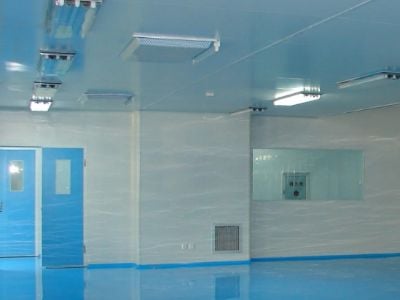
Identifying dead zones and evaluating recirculation risks in ISO 8 clean room airflow distribution is essential in ensuring optimal performance and compliance with industry standards. As a professional clean room engineering builder with over 20 years of experience, SHP understands the critical importance of airflow management in clean rooms across various industries such as pharmaceuticals, biotechnology, chemicals, food and beverage, and microelectronics. This article will guide purchasing managers, engineers, and product managers through the nuances of ISO 8 clean room airflow distribution, helping them make informed decisions.
How to Identify Dead Zones in ISO 8 Clean Room Design
Dead zones in an ISO 8 clean room are areas where airflow is insufficient to maintain the required cleanliness levels. These zones can lead to contamination, product defects, and compromised safety. To identify these areas, start by conducting a thorough airflow analysis using computational fluid dynamics (CFD) simulations or smoke testing.
When analyzing airflow patterns, consider factors such as the placement of supply and exhaust vents, the arrangement of equipment, and the overall room layout. For instance, if equipment obstructs airflow, it can create stagnant areas where particles accumulate. Additionally, monitor air velocity and pressure differentials to pinpoint locations with inadequate airflow.
Regular maintenance and calibration of airflow monitoring systems are vital in ensuring that any changes in airflow dynamics are promptly addressed. Buyers should also engage with experienced clean room designers who can provide insights into optimizing layouts to minimize dead zones.
Evaluating Recirculation Risks in ISO 8 Clean Room Airflow
Recirculation risks arise when air is drawn back into the clean room without proper filtration, potentially carrying contaminants from less clean areas. To evaluate these risks, assess the design of the airflow system, focusing on the paths air takes from supply to return and the proximity of return vents to pollution sources.
Utilizing airflow visualization techniques, such as tracer gas studies, can help identify potential recirculation paths. Pay particular attention to the placement of equipment and personnel, as these factors can influence airflow patterns and contribute to recirculation.
It's crucial to ensure that the clean room's HVAC system is equipped with high-efficiency particulate air (HEPA) filters to capture contaminants before recirculation occurs. Regular filter changes and system audits can help maintain air quality and minimize risks associated with recirculation.
Key Specifications for ISO 8 Clean Room Airflow Systems
When selecting airflow systems for ISO 8 clean rooms, several key specifications should be considered:
Air Change Rate (ACR): The number of complete air changes per hour is critical for maintaining cleanliness. ISO cleanroom typically require an ACR of at least 15-20.
Airflow Velocity: Optimal airflow velocity ensures proper distribution and prevents dead zones. A velocity of 0.45 m/s is often recommended.
Filter Efficiency: HEPA filters must have an efficiency of 99.97% at 0.3 microns or higher to ensure the removal of particulate matter.
Temperature and Humidity Control: Maintaining specific temperature and humidity levels is important for both product integrity and personnel comfort.
Pressure Differentials: Establishing appropriate pressure differentials between clean and adjacent areas helps prevent contamination ingress.
Buyers should work closely with suppliers to ensure that these specifications align with their specific clean room applications, as variations may be necessary depending on the industry or product being manufactured.
Wholesale Solutions for Optimizing ISO 8 Clean Room Airflow
Optimizing airflow in ISO 8 clean rooms can often be achieved through wholesale solutions that cater to specific operational needs. Working with a reputable clean room solutions provider like SHP can offer several benefits, including:
Customized Equipment: Suppliers can provide tailored airflow systems designed to meet unique operational requirements, ensuring compliance with ISO standards.
Integrated Monitoring Systems: Advanced monitoring solutions can provide real-time data on airflow, temperature, and humidity, enabling proactive management of clean room environments.
Maintenance Services: Regular maintenance contracts can help ensure that airflow systems operate efficiently, reducing the risk of dead zones and recirculation.
Consultative Support: Experienced suppliers can offer insights into best practices for clean room design and operation, helping buyers avoid common pitfalls.
To maximize investment, buyers should specify their needs clearly and engage in discussions about potential solutions early in the purchasing process.
Cost Factors for Maintaining ISO 8 Clean Room Airflow Quality
Maintaining airflow quality in ISO 8 soft wall modular cleanrooms comes with various cost considerations. Key factors include:
Initial Setup Costs: The design and installation of an effective HVAC and airflow system can be significant. Investing in high-quality components can lead to long-term savings through reduced maintenance and improved efficiency.
Energy Consumption: HVAC systems can be energy-intensive. Selecting systems with energy-efficient components can help minimize operational costs.
Regular Maintenance: Ongoing costs for filter replacements, system audits, and equipment servicing are essential for sustaining airflow quality. Budgeting for periodic maintenance can prevent larger issues down the line.
Training and Compliance: Ensuring that staff are trained on clean room protocols and compliance with ISO standards may incur additional costs but is crucial for maintaining product integrity and safety.
By considering these factors, buyers can develop a comprehensive budget that addresses both initial and ongoing costs associated with maintaining ISO 8 clean room airflow quality.