EN
 AR
 BG
 HR
 CS
 DA
 FR
 DE
 EL
 HI
 JA
 IT
 KO
 PL
 PT
 RU
 RO
 ES
 SV
 ID
 VI
 TH
 TR
 FA
 MS
 GA
 SW
 BE
 UR
 BN
 BS
 MR
 MN
 PA
 UK
 NL
 NO
 SK
 LO
 LA

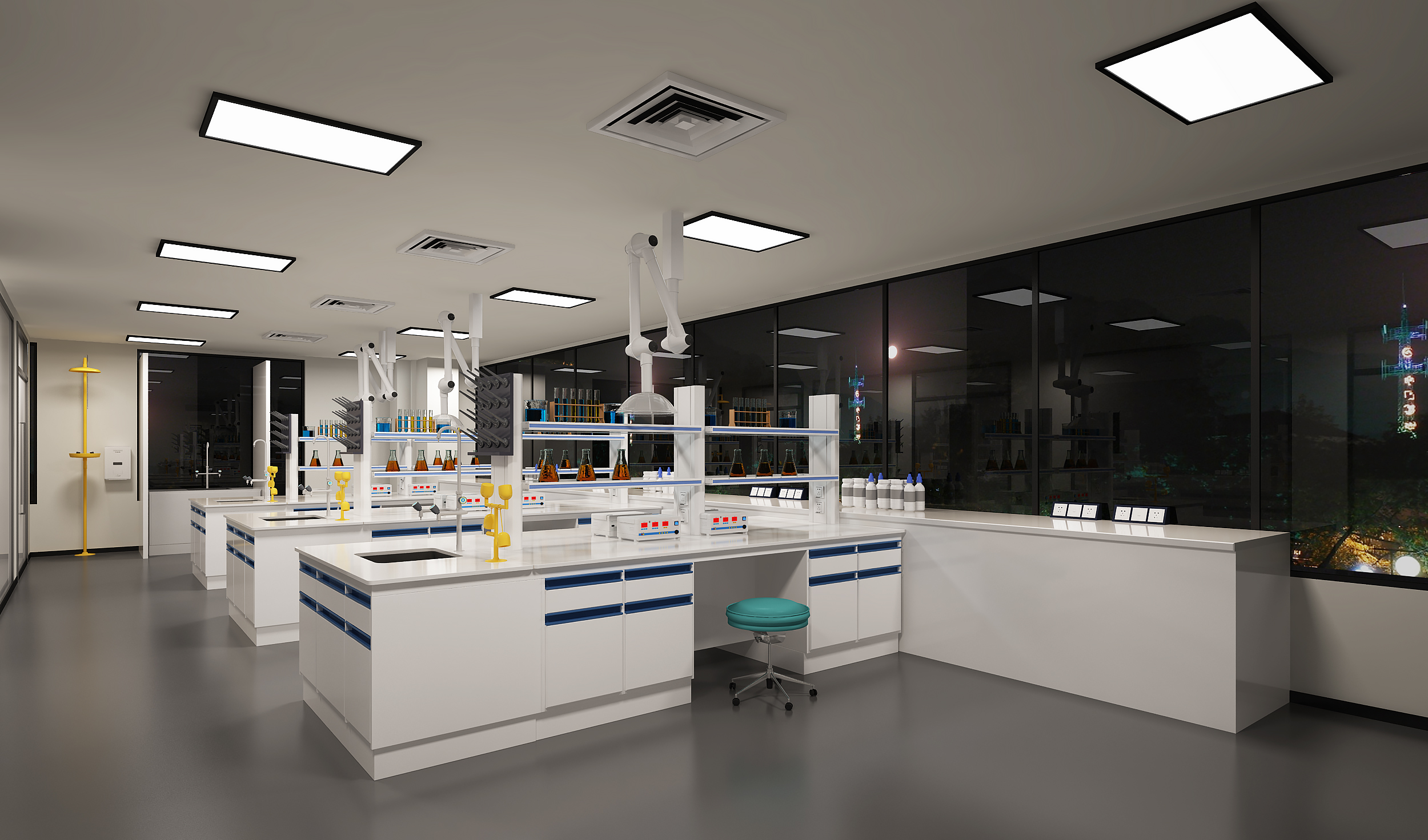
Understanding ISO 8 airborne particle limits is crucial for industries that require stringent cleanroom environments, such as pharmaceuticals, biotechnology, and microelectronics. This article delves into the specifics of ISO 8 cleanroom classification, addressing B2B buyers' concerns regarding selection, installation, costs, and common issues. By the end of this article, you will have a clearer understanding of how to interpret cleanroom classification data for your production needs.
How to Choose the Right Cleanroom Class for Your Industry Needs
Selecting the appropriate cleanroom class is essential for ensuring that your facility meets both regulatory requirements and operational efficiency. ISO 8 clean room, which allow a maximum of 3,520,000 particles per cubic meter for particles larger than 0.5 micrometers, are suitable for industries where moderate levels of particulate contamination are permissible.
When choosing a cleanroom class, consider the following factors:
Industry Regulations: Different industries have specific standards. For example, pharmaceutical manufacturing often requires stricter controls than food processing.
Product Sensitivity: Evaluate the sensitivity of the products being manufactured. Higher sensitivity products may necessitate a lower cleanroom classification.
Operational Workflow: The layout and workflow of your facility can influence cleanroom requirements. If your processes involve high volumes of airflow or equipment that generates particles, a lower class may be necessary.
Future Scalability: Consider potential future needs. Opting for a more stringent cleanroom class can provide flexibility for expanding production or introducing more sensitive products.
Consulting with a cleanroom engineering specialist can help tailor the selection to your specific operational needs.
ISO 8 Standards and Material Benefits
ISO 8 standards dictate the allowable particle counts and establish the necessary conditions for maintaining cleanliness. Materials used in constructing an ISO 8 cleanroom are crucial for ensuring compliance with these standards. Common materials include:
Wall Panels: Typically constructed from materials like fiberglass or aluminum, these panels are designed to minimize particle generation and are easy to clean.
Flooring: Smooth, non-porous materials such as vinyl or epoxy are preferred for easy cleaning and to prevent particle accumulation.
Ceiling Systems: These often include HEPA filters integrated into the design to maintain air quality while minimizing particle entry.
The benefits of adhering to ISO 8 material standards include enhanced durability, easier maintenance, and improved air quality. Choosing the right materials can reduce the overall operational costs by minimizing cleaning time and ensuring longevity.
Cost Factors to Consider for ISO 8 Cleanroom Construction Projects
When planning an ISO class cleanrooms construction project, various cost factors must be considered to ensure a realistic budget. These include:
Initial Design and Consultation: Engaging with cleanroom design experts can incur upfront costs but often leads to more effective layouts that save money long-term.
Material Selection: The choice of construction materials significantly impacts costs. High-performance materials may have a higher upfront cost but can lead to lower maintenance and operational expenses.
HVAC Systems: The design and installation of HVAC systems tailored to maintain ISO 8 conditions can be one of the largest expenses. Energy-efficient systems, while more expensive initially, can reduce long-term operational costs.
Certification and Compliance Costs: Ensuring the cleanroom meets ISO 8 standards involves testing and certification, which can add to the overall budget.
It's essential to meticulously assess each of these factors during the planning phase to avoid unexpected costs that could derail your project.
Installation Guidance for ISO 8 Cleanroom Systems in Manufacturing
The installation of ISO 8 cleanroom systems requires careful planning and execution to ensure compliance with standards and optimal functionality. Key considerations during installation include:
Site Preparation: The area designated for the cleanroom should be thoroughly prepared to minimize contamination risks. This involves cleaning the space and ensuring structural integrity.
System Integration: All systems, from electrical to HVAC, must be integrated seamlessly into the cleanroom design. Proper sequencing is essential to maintain air quality and control particles.
Testing Procedures: Prior to operational use, it is critical to conduct airflow and particle count tests to confirm compliance with ISO 8 standards. This testing should be carried out by certified professionals to ensure accuracy.
Proper installation not only guarantees adherence to ISO standards but also enhances the cleanroom's efficiency and effectiveness in maintaining quality.
Common Problems in ISO 8 Cleanrooms and Effective Solutions
Despite rigorous design and adherence to standards, cleanroom ISO levels can encounter common issues that could compromise their efficacy. Some of these problems include:
Particle Contamination: This can arise from various sources, including personnel, equipment, or even the materials used in construction. Implementing strict gowning procedures and regular cleaning protocols can help mitigate this issue.
Airflow Issues: Inadequate airflow can lead to dead spots where particles accumulate. Regular maintenance and monitoring of the HVAC system can help ensure adequate airflow and particle removal.
Equipment Compatibility: Not all equipment is suited for cleanroom environments. Prior to installation, ensure that all machinery meets the necessary specifications to minimize particle generation.
By being aware of these potential problems and implementing proactive solutions, facility managers can maintain optimal cleanliness and compliance within their ISO 8 cleanrooms.
Understanding the complexities of ISO 8 airborne particle limits and cleanroom classification data is essential for effective cleanroom management. By addressing these factors, you can ensure that your cleanroom meets industry standards and operational requirements, leading to improved product quality and compliance.