EN
 AR
 BG
 HR
 CS
 DA
 FR
 DE
 EL
 HI
 JA
 IT
 KO
 PL
 PT
 RU
 RO
 ES
 SV
 ID
 VI
 TH
 TR
 FA
 MS
 GA
 SW
 BE
 UR
 BN
 BS
 MR
 MN
 PA
 UK
 NL
 NO
 SK
 LO
 LA

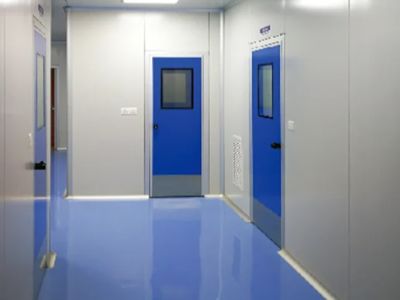
Understanding cleanroom air change rates is crucial for companies aiming to meet ISO classification requirements, especially in industries such as pharmaceuticals, biotechnology, and microelectronics. These rates dictate how often the air within a cleanroom is replaced with filtered air, directly impacting contamination control and product quality. This article will help purchasing managers, engineers, and facility managers understand the factors influencing cleanroom air change rates and HVAC capacity, enabling them to make informed decisions for their projects.
Understanding Cleanroom Air Change Rates for ISO Compliance
Cleanroom air change rates refer to the frequency at which the air in a cleanroom is replaced to maintain a sterile environment. ISO standards classify cleanrooms based on their allowable particle counts, which influences the required air change rates. For instance, an ISO Class 5 cleanroom typically requires at least 100 air changes per hour (ACH) to ensure compliance with stringent cleanliness standards. These rates are pivotal for controlling airborne contaminants and maintaining product integrity. Failure to meet the required air change rates can compromise product quality and lead to costly non-compliance issues. Therefore, understanding the relationship between air change rates and ISO classifications is vital for any cleanroom bench operation, particularly in industries where contamination can have severe consequences, such as pharmaceuticals and microelectronics.
Key Specifications to Consider
When assessing cleanroom air change rates, several key specifications must be considered:
Air Quality Standards: Understanding the specific ISO classification required for your cleanroom is essential. Each class has its own air quality standards that dictate the maximum allowable levels of particles.
HVAC Capacity: The heating, ventilation, and air conditioning (HVAC) system must be adequately sized to meet the required air changes. This involves calculating the total volume of air that needs to be moved to achieve the desired ACH.
Filter Efficiency: The type and efficiency of filters used in the HVAC system directly affect the cleanliness of the air being circulated. HEPA filters are commonly used in cleanroom work benches to capture particles as small as 0.3 microns with an efficiency of 99.97%.
Temperature and Humidity Control: In addition to air change rates, maintaining optimal temperature and humidity levels is crucial to ensure product stability and operational efficiency.
Pressure Differentials: Maintaining the correct pressure differentials between cleanrooms and adjacent areas helps prevent contamination. This requires careful design of air flows and HVAC systems.
By thoroughly understanding these specifications, purchasing managers can better evaluate HVAC systems suitable for their cleanroom environments.
Cost Factors Affecting Cleanroom HVAC Capacity and Air Change Rates
Several cost factors influence the design and installation of HVAC systems for cleanrooms, impacting overall budget considerations:
System Size and Efficiency: Larger systems with higher capacities typically cost more upfront. However, they may offer better energy efficiency in the long run, reducing operational costs.
Filter Types and Maintenance: Investing in high-quality filters may increase initial costs but can lead to lower maintenance requirements and longer lifespans, ultimately reducing total costs.
Installation Complexity: The complexity of the installation process can significantly influence costs. Custom solutions may be required for specific cleanroom designs, increasing labor and material expenses.
Compliance and Certification Costs: Ensuring compliance with ISO standards may require additional investments in testing and certification, which should be factored into the overall budget.
Energy Consumption: HVAC systems operating at higher air change rates consume more energy. Understanding the balance between compliance needs and energy efficiency can help buyers make cost-effective decisions.
By considering these factors, companies can develop a more accurate budget for their cleanroom HVAC systems, aligning costs with operational needs.
Common Problems with Cleanroom Air Change Rates and Their Solutions
Several common problems can arise concerning air change rates in cleanrooms, leading to potential compliance issues:
-
Insufficient Air Changes: If the HVAC system is not designed to meet the required air changes, it can lead to contamination and product quality issues. Regular audits and airflow measurements can help identify deficiencies.
Solution: Conduct a thorough assessment of the HVAC system's capacity and make necessary adjustments, such as increasing fan speed or upgrading filters.
-
Inconsistent Airflow: Variability in airflow can cause areas of the stainless steel cleanroom bench to have different cleanliness levels. This inconsistency can arise from poor duct design or obstructions in airflow.
Solution: Implement airflow monitoring systems to track air changes and identify areas that may need redesigning or additional ventilation.
-
Filter Clogging: Over time, filters can become clogged, reducing airflow and increasing pressure differentials, which can compromise air change rates.
Solution: Establish a regular maintenance schedule for filter replacement and system checks to ensure optimal performance.
-
Temperature and Humidity Fluctuations: Variations in temperature and humidity can affect the performance of the cleanroom. These fluctuations may lead to increased particle counts.
Solution: Integrate advanced monitoring systems that can automatically adjust HVAC settings to maintain stable environmental conditions.
By addressing these common problems proactively, organizations can enhance their cleanroom operations and ensure compliance with ISO standards.
Installation Guidance for HVAC Systems in Cleanroom Environments
Installing HVAC systems in cleanroom environments requires careful planning and execution to ensure optimal performance. Here are key considerations for a successful installation:
Design Phase: Engage with experienced cleanroom designers and engineers early in the planning process. They can provide insights into effective airflow designs and system layouts that align with ISO requirements.
Material Selection: Choose materials that are compatible with cleanroom standards, focusing on smooth surfaces that are easy to clean and resistant to contamination.
Ductwork Design: Ensure that ductwork is designed to minimize turbulence and maintain steady airflow. This may involve considering the layout to avoid sharp bends and using smooth transition fittings.
System Testing: Before the cleanroom becomes operational, conduct comprehensive testing of the HVAC system to ensure that it meets the required air change rates and maintains the desired environmental conditions.
Training and Documentation: Provide comprehensive training for staff on the operation and maintenance of the HVAC system. Keep detailed documentation of system specifications, maintenance schedules, and compliance records for future reference.
By following these guidelines, companies can facilitate a smoother installation process, leading to a more efficient and compliant cleanroom environment.
In summary, understanding cleanroom air change rates is fundamental for organizations seeking to comply with ISO classification requirements. By considering key specifications, cost factors, common issues, and installation guidance, purchasing managers and engineers can make informed decisions that enhance their cleanroom operations and ensure product quality.