EN
 AR
 BG
 HR
 CS
 DA
 FR
 DE
 EL
 HI
 JA
 IT
 KO
 PL
 PT
 RU
 RO
 ES
 SV
 ID
 VI
 TH
 TR
 FA
 MS
 GA
 SW
 BE
 UR
 BN
 BS
 MR
 MN
 PA
 UK
 NL
 NO
 SK
 LO
 LA

Understanding HEPA Filtration Performance and Its Role in ISO Cleanroom Classification
HEPA (High-Efficiency Particulate Air) filtration is crucial in maintaining the stringent cleanliness standards required in ISO classified cleanrooms. For industries such as pharmaceuticals, biotechnology, and microelectronics, the performance of HEPA filters directly impacts product quality and compliance with regulatory requirements. This article aims to provide B2B buyers such as purchasing managers and engineers with insights into HEPA filtration performance, selection criteria, and key specifications, equipping them to make informed purchasing decisions.
Understanding HEPA Filtration Performance in Cleanroom Standards
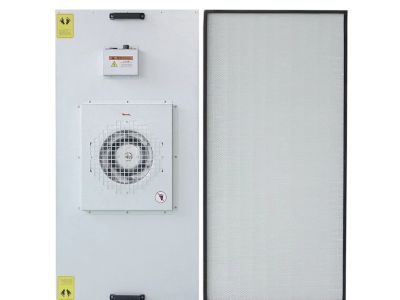
HEPA filters are designed to remove at least 99.97% of airborne particles that are 0.3 microns in diameter, including dust, pollen, mold spores, and even some bacteria. The performance of HEPA filtration is pivotal in cleanroom applications because it helps to achieve the cleanliness levels defined by ISO standards, particularly ISO 14644-1, which categorizes cleanrooms based on the number and size of particles permitted in the air. The classification of cleanrooms ranges from ISO Class 1 (the cleanest) to ISO Class 9. Selecting the appropriate hepa fan filter unit is essential for maintaining the desired cleanroom classification. Factors such as airflow rate, filter efficiency, and the type of particulate matter present in the environment must be considered. A filter that does not meet the necessary efficiency could lead to contamination, negatively impacting product integrity and regulatory compliance.
How to Choose HEPA Filters for ISO Cleanroom Applications?
Selecting the right HEPA filter for an ISO cleanroom involves understanding specific application needs and environmental conditions. Here are some key considerations:
Airflow Requirements: Assess the cleanroom's airflow requirements to ensure the HEPA filter can handle the desired volume without compromising efficiency.
Filter Efficiency: Choose filters that meet or exceed the required efficiency for your cleanroom classification. For example, filters rated H13 or H14 (per EN 1822) are commonly used in higher ISO classes due to their superior particle removal capabilities.
Physical Dimensions: Ensure that the filter dimensions fit the system design. Compatibility with existing infrastructure is critical to avoid installation issues.
Material Construction: Filters made from synthetic materials may offer better moisture resistance and durability than those made from fiberglass, especially in humid environments.
Maintenance and Replacement Cycle: Evaluate the maintenance requirements and the expected lifespan of the filters. Frequent replacements can increase operational costs.
By carefully assessing these factors, B2B buyers can select HEPA filters that not only meet cleanroom standards but also align with operational efficiencies.
Key Specifications for HEPA Filters in Cleanroom Design
Understanding the specifications of HEPA filters is essential for ensuring optimal performance in cleanroom applications. Here are the critical specifications to consider:
Filter Efficiency Rating: As mentioned, efficiency ratings (such as H13 and H14) define the filter's performance in removing particles from the air. Verify the filter's performance with testing data where possible.
Initial Resistance: This specification indicates the pressure drop across the filter when clean. High initial resistance can affect airflow rates, so it should be within acceptable limits for the cleanroom's design.
Maximum Operating Temperature and Humidity: hepa ffc must be suitable for the operating conditions of the cleanroom. Exceeding specified limits can compromise filter integrity.
Leakage Rates: The acceptable leakage rate must be less than 0.1% to ensure that no unfiltered air enters the cleanroom. This specification is critical for maintaining ISO compliance.
Construction Quality: The integrity of the filter media and frame materials is vital. Look for filters with robust construction that can withstand the pressures of the application and potential exposure to chemicals.
Understanding these specifications will enable buyers to assess filter options critically and select products that will perform effectively in their specific cleanroom environments.
A Buyer’s Guide
When purchasing HEPA filters for cleanroom applications, buyers should follow this structured approach:
Define Application Needs: Identify the specific cleanroom classification and the contaminants of concern. This will guide the selection process.
Request Technical Data: Obtain data sheets from suppliers that outline filter performance, efficiency ratings, and testing methods. This documentation is essential for compliance verification.
Evaluate Suppliers: Assess potential suppliers based on their manufacturing capabilities, experience in cleanroom applications, and quality control processes. Suppliers with a strong track record in the industry can provide more reliable products.
Consider Customization: If standard options do not meet your requirements, inquire about custom filter solutions. Many manufacturers, like SHP, offer customization capabilities to meet unique specifications.
Assess Pricing and MOQ: Understand pricing structures, including bulk purchasing discounts and minimum order quantities (MOQ). This can significantly impact project budgets.
Quality Assurance: Ensure that the supplier adheres to quality assurance standards relevant to cleanroom applications. Certifications and quality control processes should be verified.
By following this guide, buyers can streamline their purchasing process and ensure they select the right HEPA filters for their cleanroom applications.
Cost Factors to Consider When Purchasing HEPA Filters in Bulk
When buying HEPA filters in bulk, several cost factors should be taken into account:
Unit Price: Bulk purchasing typically reduces the unit price. However, it’s essential to balance cost with quality, as lower prices may compromise filter performance.
Shipping and Handling: Consider additional costs associated with shipping, especially if filters are large or require special handling due to their sensitivity.
Storage Costs: If filters have a limited shelf life or specific storage requirements, these factors can impact overall costs. Ensure that your storage solutions are adequate to maintain filter integrity.
Replacement Frequency: Understand the expected lifespan of the ffc hepa filter and factor in replacement costs over time. A higher initial investment may lead to lower long-term costs if the filter has a longer lifespan.
Customization Fees: If custom filters are needed, verify any additional costs associated with customization, as these can significantly affect the overall budget.
Installation Costs: Assess any costs related to the installation of HEPA filters, especially if modifications to existing systems are necessary. Installation should be factored into the total cost of ownership.
Regulatory Compliance Costs: Ensure that the selected filters meet regulatory compliance standards, as non-compliance can lead to costly repercussions.
By considering these cost factors, B2B buyers can make informed decisions that align with their operational budgets while ensuring compliance and performance standards are met.