EN
 AR
 BG
 HR
 CS
 DA
 FR
 DE
 EL
 HI
 JA
 IT
 KO
 PL
 PT
 RU
 RO
 ES
 SV
 ID
 VI
 TH
 TR
 FA
 MS
 GA
 SW
 BE
 UR
 BN
 BS
 MR
 MN
 PA
 UK
 NL
 NO
 SK
 LO
 LA

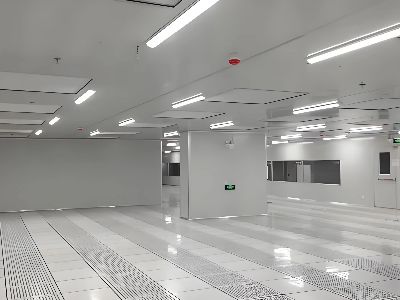
Airflow patterns are critical in maintaining ISO cleanroom performance, especially for industries that require stringent contamination control such as pharmaceuticals, biotechnology, and microelectronics. Understanding these engineering principles not only ensures compliance with industry standards but also enhances operational efficiency and product integrity. This article will delve into essential aspects of airflow patterns and their impact on cleanroom functionality, helping B2B buyers make informed decisions when selecting cleanroom solutions.
Understanding Airflow Patterns in ISO Cleanroom Design
Airflow patterns in cleanrooms are designed to minimize the risk of contamination by controlling the direction and velocity of air. ISO cleanroom standards dictate specific design requirements that must be adhered to in order to achieve desired cleanliness levels. Two primary airflow patterns are commonly employed: unidirectional and non-unidirectional. Unidirectional airflow, also known as laminar flow, directs air in a single direction at a constant velocity. This pattern is most effective in environments where particle contamination must be minimized, such as in aseptic pharmaceutical production. Non-unidirectional airflow, on the other hand, allows air to move in multiple directions which may be suitable for less sensitive operations but can lead to particle accumulation if not managed correctly. When designing a cleanroom dynamic pass box, it’s crucial to consider factors such as the size of the facility, the types of operations conducted, and the specific ISO classification required. Buyers should also take into account the placement of critical equipment and personnel to optimize air circulation and maintain the integrity of the cleanroom environment.
Choosing Reliable Suppliers for Cleanroom Engineering Solutions
Selecting a reputable supplier for cleanroom engineering solutions is essential for maintaining quality and compliance with industry standards. Buyers should evaluate potential partners based on their experience, expertise, and track record in cleanroom design and construction.
When assessing suppliers, consider the following:
Industry Experience: Look for companies with a proven history in cleanroom interlock pass box projects relevant to your industry, such as pharmaceuticals, biotechnology, or microelectronics.
Customization Capabilities: Ensure the supplier can tailor solutions to meet specific operational requirements, including unique layout designs and airflow systems.
Quality Assurance Processes: Verify that the supplier implements rigorous quality control measures throughout the design and construction phases to ensure compliance with ISO standards.
Technical Support: Reliable suppliers should offer ongoing technical support and maintenance services post-installation, ensuring long-term performance and compliance.
By thoroughly vetting potential suppliers against these criteria, B2B buyers can mitigate risks associated with cleanroom projects and ensure optimal contamination control.
Comparing Airflow Solutions for Different Cleanroom Applications
Different cleanroom applications demand specific airflow solutions tailored to their unique requirements. For instance, pharmaceutical manufacturing often necessitates strict unidirectional airflow to maintain sterility, while electronics manufacturing may allow for a more flexible non-unidirectional system.
Key Comparisons:
Pharmaceuticals: Requires high-velocity unidirectional airflow to ensure particle removal and maintain sterile conditions. Systems should be designed to minimize turbulence and dead zones.
Biotechnology: Similar to pharmaceuticals but may incorporate more complex airflow patterns to accommodate bioreactors and other sensitive equipment that could affect airflow dynamics.
Food and Beverage: Cleanrooms in this sector may utilize non-unidirectional airflow systems that are easier to maintain but still require careful monitoring to prevent contamination.
Microelectronics: Often employs both types of airflow, depending on the production stage. Initial stages may utilize unidirectional airflow, while later assembly processes can switch to non-unidirectional systems.
Understanding these differences allows buyers to select the appropriate airflow solution that meets their specific operational needs and regulatory requirements.
Quality Control Measures for Airflow Systems in Cleanroom Environments
To ensure the effectiveness of airflow systems in cleanroom environments, implementing rigorous quality control measures is paramount. These measures should include regular monitoring and testing of airflow patterns and velocities to confirm compliance with ISO standards.
Recommended Quality Control Practices:
Routine Airflow Testing: Conduct regular airflow tests to monitor velocity and direction. This can involve using anemometers or thermal anemometers to measure airflow rates at various locations within the cleanroom.
Particle Count Monitoring: Utilize particle counters to assess contamination levels within the cleanroom. This data will help determine if the airflow system is effectively removing airborne particles.
Validation Protocols: Establish validation protocols that outline the procedures for testing and certifying the cleanroom’s airflow system. This should include initial qualification tests and ongoing performance evaluations.
Maintenance Schedule: Implement a routine maintenance schedule for HVAC systems to ensure they operate effectively and maintain desired airflow patterns. This includes regular filter changes, inspections, and system calibrations.
By adhering to these quality control measures, B2B buyers can enhance the reliability and performance of their cleanroom airflow systems, ultimately ensuring compliance and product integrity.
Common Problems with Airflow in Cleanrooms and Their Solutions
Despite careful planning and implementation, various issues may arise with airflow in cleanroom environments. Identifying these problems early can prevent contamination and ensure operational efficiency.
Common Problems and Solutions:
Airflow Instability: Fluctuations in airflow can lead to particle accumulation. To address this, ensure that the HVAC system is properly calibrated and that filters are changed regularly to maintain consistent airflow.
Dead Zones: Areas within the cleanroom where airflow is stagnant can become breeding grounds for contamination. Conduct airflow mapping to identify dead zones and adjust the design or airflow patterns to eliminate them.
Noise and Vibration: Excessive noise or vibration from HVAC systems can indicate mechanical issues. Regular maintenance and inspections can help mitigate these problems before they impact cleanrooms doors operations.
Temperature and Humidity Variability: Inconsistent temperature and humidity levels can affect product quality. Utilize advanced monitoring systems to track and regulate these parameters, ensuring they remain within specified ranges.
By proactively addressing these common airflow problems B2B buyers can maintain optimal cleanroom conditions and support successful manufacturing processes.
Table of Contents
- Understanding Airflow Patterns in ISO Cleanroom Design
- Choosing Reliable Suppliers for Cleanroom Engineering Solutions
- Comparing Airflow Solutions for Different Cleanroom Applications
- Quality Control Measures for Airflow Systems in Cleanroom Environments
- Common Problems with Airflow in Cleanrooms and Their Solutions