EN
EN
 AR
AR
 BG
BG
 HR
HR
 CS
CS
 DA
DA
 FR
FR
 DE
DE
 EL
EL
 HI
HI
 JA
JA
 IT
IT
 KO
KO
 PL
PL
 PT
PT
 RU
RU
 RO
RO
 ES
ES
 SV
SV
 ID
ID
 VI
VI
 TH
TH
 TR
TR
 FA
FA
 MS
MS
 GA
GA
 SW
SW
 BE
BE
 UR
UR
 BN
BN
 BS
BS
 MR
MR
 MN
MN
 PA
PA
 UK
UK
 NL
NL
 NO
NO
 SK
SK
 LO
LO
 LA
LA

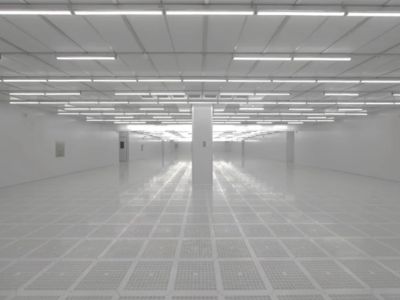
Clean rooms are special spaces in manufacturing that keep products safe from dust and other tiny particles. These rooms follow strict rules called ISO Clean Room Standards. At Huajing, we know how important it is to have clean rooms for making high-quality products. These standards help keep everything tidy and safe, ensuring that no harmful materials get into the products. For people working in factories, understanding these standards is very important. It helps them manage risks and make sure customers get the best items possible. Clean rooms are not just about being clean; they are also about being smart in how we work.
Meeting ISO Clean Room Standards
To meet ISO Clean Room Standards, companies need to create a plan. First, they must know what level of cleanliness is needed for their products. For example, some products only need a little cleaning, while others need a lot. Once the level is set, it’s time to design the clean room. The right materials are very important; they have to be easy to clean and not release dust. Training workers is also key. They must learn how to keep the clean room clean and what to do if something goes wrong. At Huajing, we make sure our staff has the right training. Regular checks are done to see if everything is working as it should. For instance, we use special machines to measure air quality and check for any particles that might be harmful. This way, we catch problems before they affect our products. Finally, keeping good records of everything helps us stay on track and prove we are following the standards.
Common Clean Room Problems and Solutions
Even in clean rooms, there can be problems. One common issue is when workers forget to follow the rules. For example, if someone opens the door too often, outside air can come in and bring dust. This is a big problem because it can ruin products. To fix this, we can put up signs to remind everyone to be careful. Another issue is equipment failure. If machines that help keep the air clean break down, it can lead to bad air quality. At Huajing, we do regular maintenance on our machines to keep them working well. We also have backups ready, so if something does break, we can switch to another machine quickly. Training helps workers know what to do when something goes wrong. They should be ready to act fast to keep the clean room safe. We encourage everyone to report problems right away. This helps us solve issues quickly and keep our products safe. By addressing these common issues, we can ensure that our clean rooms remain effective and our products stay high-quality.
How Wholesale Buyers Can Ensure Compliance with ISO Clean Room Regulations
Wholesale buyers play a crucial role in ensuring that the products they purchase meet high-quality standards. One important standard is the ISO cleanroom Regulations. These rules help keep clean rooms free from dust, germs, and other particles that could harm sensitive products, especially in industries like electronics and pharmaceuticals. To make sure they are buying from suppliers who follow these rules, buyers should start by asking for proof of compliance. Suppliers should be able to show that their clean rooms meet ISO standards. This could be a certificate or documentation that proves they regularly check the cleanliness and safety of their workspaces.
Next, wholesale buyers should visit the supplier's facility if possible. Seeing the clean room firsthand can help buyers understand how the supplier maintains cleanliness and safety. Buyers can look for signs of good practices, like staff wearing proper protective gear and having clear procedures for keeping the area clean. It's also helpful for buyers to ask about the training that employees receive. Staff should know how to work safely in a clean room and understand the importance of following all regulations.
Communication is key. Buyers should keep an open line of communication with their suppliers. If something goes wrong, like a contamination issue, it’s important for everyone to work together to fix it. Regular meetings or check-ins can help keep everyone on the same page. Additionally, buyers should stay updated on any changes in ISO regulations. The rules can change, so it's important to know what’s new and how it might affect the products being supplied. By following these steps, wholesale buyers can ensure that they are compliant with ISO Clean Room Regulations and that the products they purchase are safe and of high quality.
What Are the Latest Trends in ISO Clean Room Technology for Manufacturers?
Technology is always changing, and this includes clean rooms used in manufacturing. One of the latest trends is the use of advanced air filtration systems. These systems are designed to remove even the tiniest particles from the air, ensuring that clean rooms stay as clean as possible. This is especially important in places where small dust particles can ruin products, like in the production of computer chips or medicines. Manufacturers are investing in these systems to improve air quality and meet ISO standards.
Another trend is the use of smart technology. Many clean rooms now use sensors to monitor air quality, temperature, and humidity levels. These sensors can send real-time data to managers, allowing them to respond quickly if something isn’t right. For example, if the air quality drops, the system can alert staff to take action immediately. This kind of technology not only helps keep the clean room compliant with ISO standards but also improves overall safety and efficiency.
Robotics is also becoming more common in clean rooms. Automated systems can help with tasks like moving materials or cleaning surfaces. Using robots reduces the chance of human error and helps maintain cleanliness. Additionally, these machines can work faster than humans, which can speed up production times.
Finally, training is becoming more high-tech. Virtual reality (VR) is being used to train employees on how to work safely in clean rooms. This kind of training allows workers to experience ISO class cleanrooms conditions and learn best practices without being in a real clean room. By using these new technologies, manufacturers can not only meet ISO standards but also make their processes safer and more efficient. At Huajing, we keep up with these trends to ensure that our manufacturing processes are always top-notch.
How to Conduct Risk Assessments in ISO Clean Rooms to Enhance Safety and Quality
Conducting risk assessments in ISO clean rooms is an important step to keep workers safe and products high-quality. A risk assessment is a way to identify potential problems that could happen in a clean room and then find ways to fix them. The first step in this process is to gather a team of people who understand the clean room and its operations. This team should include managers, clean room technicians, and safety experts. Together, they can look at all the activities that take place in the clean room and identify any risks, like contamination, accidents, or equipment failures.
Once the team has identified the risks, the next step is to evaluate how likely these risks are to happen and how serious the consequences would be if they did. For example, if a machine breaks down, it could cause a lot of delays and loss of products. By understanding the likelihood and impact of each risk, the team can prioritize which risks to address first. This helps ensure that the most serious risks are dealt with as soon as possible.
After identifying and evaluating risks, the team should come up with a plan to manage them. This could include creating safety procedures, providing better training for workers, or upgrading equipment. It’s important that all staff members know about these changes and understand their roles in maintaining a safe clean room showcase environment. Regularly reviewing and updating the risk assessment is also essential. As processes change or new equipment is introduced, the risks may change too. At Huajing, we make it a point to review our risk assessments frequently to keep everyone safe and ensure the quality of our products.
risk assessments in ISO clean rooms are vital for maintaining safety and quality. By following a structured approach to identify, evaluate, and manage risks, manufacturers can create a safer environment for their workers and produce high-quality products that meet ISO standards.
Table of Contents
- Meeting ISO Clean Room Standards
- Common Clean Room Problems and Solutions
- How Wholesale Buyers Can Ensure Compliance with ISO Clean Room Regulations
- What Are the Latest Trends in ISO Clean Room Technology for Manufacturers?
- How to Conduct Risk Assessments in ISO Clean Rooms to Enhance Safety and Quality