EN
EN
 AR
AR
 BG
BG
 HR
HR
 CS
CS
 DA
DA
 FR
FR
 DE
DE
 EL
EL
 HI
HI
 JA
JA
 IT
IT
 KO
KO
 PL
PL
 PT
PT
 RU
RU
 RO
RO
 ES
ES
 SV
SV
 ID
ID
 VI
VI
 TH
TH
 TR
TR
 FA
FA
 MS
MS
 GA
GA
 SW
SW
 BE
BE
 UR
UR
 BN
BN
 BS
BS
 MR
MR
 MN
MN
 PA
PA
 UK
UK
 NL
NL
 NO
NO
 SK
SK
 LO
LO
 LA
LA

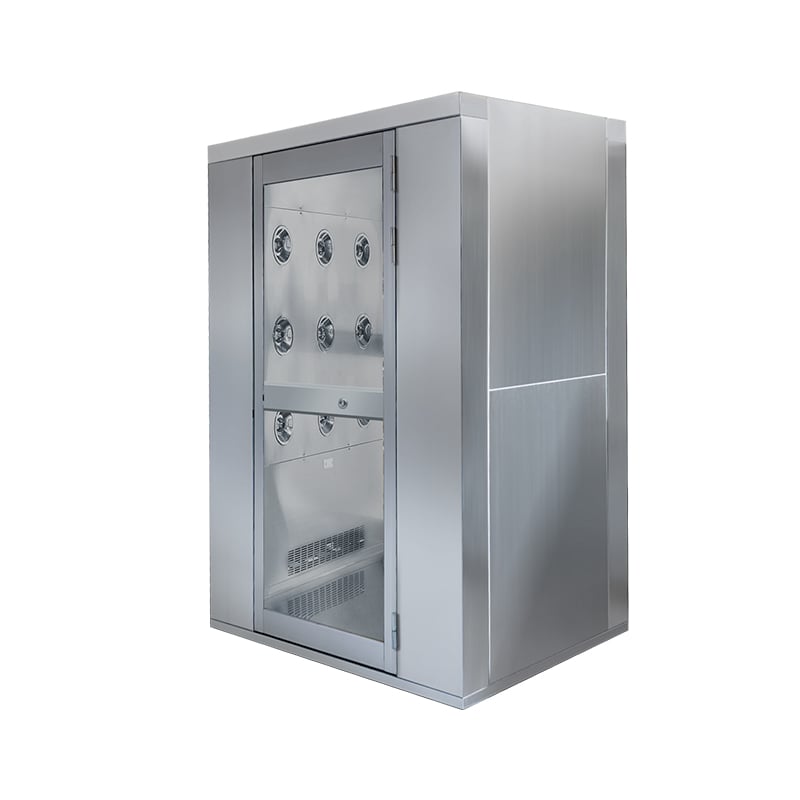
In a clean room, air quality is super important, especially in places like factories and labs. The cleanliness of the room is measured using ISO classifications. These classifications help determine how clean the air is and how many tiny particles are floating around. If a clean room isn’t kept up, it can lead to problems with products or research. At Huajing, we know how crucial it is to maintain the right conditions in clean rooms. Several factors can affect how well a clean room performs, and understanding these factors can help ensure that everything runs smoothly.
Where to Find Wholesale Suppliers for ISO Clean Room Solutions
Finding the right suppliers for ISO clean room solutions can make a big difference in keeping a clean room running well. There are a few places you can look. First, online directories can be very helpful. Websites that focus on industrial supplies often have listings of suppliers who specialize in clean room equipment and materials. You can search for terms like "clean room supplies" or "ISO clean room equipment." Huajing has a variety of products available for clean rooms, and we can help you find what you need. Attending trade shows is another great way to connect with wholesale suppliers. At these events, you can meet companies that provide clean room solutions and see their products up close. You can ask questions and learn about the latest technologies. Many suppliers also have catalogs or brochures, which can help you compare different options. Networking with other businesses in your industry can also lead to recommendations for reliable suppliers. It’s important to choose a supplier with a good reputation, as quality matters when it comes to clean rooms. Reading reviews and testimonials from other customers is a smart move. You want to ensure that the suppliers you choose can meet the specific needs of your clean room, whether it's for air filtration systems, clean room garments, or other essential items.
What Common Issues Affect ISO Clean Room Performance?
There are several common issues that can affect how well an ISO clean room performs. One major issue is the air filtration system. If the filters are dirty or not changed regularly, they can’t do their job properly. This means more particles can get into the clean room, making it less clean. Regular maintenance and checks are key to keeping the air clean. Another problem can be the people working in the clean room. If they don't follow the rules, like wearing the right clothing or washing their hands, they can bring in dirt and germs. Training staff on proper ISO class cleanroom protocols is very important. Equipment failures can also cause issues. If a machine breaks down, it can lead to contamination or even halt production. Keeping all equipment in good working order and having backup plans can help prevent this.
Temperature and humidity levels are equally important. If it's too hot or too humid, it can affect the products being made or the experiments being conducted. Monitoring these levels regularly can help maintain the right environment. Lastly, it's essential to regularly inspect the clean room itself. Cracks in walls or ceilings can let in dust and other particles. Keeping the clean room well-maintained helps avoid these problems. At Huajing, we understand these challenges and work hard to provide solutions that help keep clean rooms functioning at their best.
How Does Air Filtration Impact ISO Clean Room Standards?
Air filtration is very important for clean rooms because they need to be free from dust, germs, and other tiny particles. ISO clean room standards are rules that help keep the air clean in these special places. When we talk about air filtration, we mean the filters used to clean the air that comes in and out of the clean room. These filters can catch small particles that could ruin important work or products. The better the filters, the cleaner the air will be. For example, high-efficiency particulate air (HEPA) filters are often used. They can trap 99.97% of particles that are 0.3 microns in size or larger. This means they can capture a lot of dust and other harmful things. If a clean room does not have good filtration, it may not meet ISO standards. This can lead to problems, especially in industries like pharmaceuticals or electronics, where cleanliness is critical. Huajing understands the importance of quality air filtration and can provide solutions that help maintain clean room standards. Regular maintenance of filters is also necessary. If filters get clogged, they can’t clean the air properly. This can allow more particles to enter the clean room, which can affect the products or research being done there. By ensuring that air filtration systems are working well, clean rooms can better meet ISO standards, leading to better results for everyone involved.
What Are the Latest Trends in ISO Clean Room Technology?
Technology is always changing, and this includes clean room technology. There are some exciting new trends that help make clean rooms even better at keeping the air clean. One trend is the use of smart technology. This means using sensors and computers to monitor air quality in real-time. For instance, these sensors can check the number of particles in the air and send alerts if the levels get too high. This helps clean room operators quickly fix problems before they become serious. Another trend is the use of modular clean rooms. These are clean rooms that can be easily moved and changed. This is great for companies that need to adapt quickly to new projects or changing needs. Huajing offers these modular solutions, making it easier for businesses to create clean spaces when they need them. Additionally, energy-efficient systems are becoming popular. These systems use less energy to keep the clean rooms running smoothly, which is better for the environment and saves money. Another trend is the use of more advanced materials for walls and surfaces. These new materials are easier to clean and can resist contamination better than older ones. This helps maintain cleanliness over time. All these trends make clean rooms more efficient, safer, and environmentally friendly. Keeping up with these advancements is essential for companies that want to stay competitive.
How to Optimize Your Clean Room for Maximum Efficiency?
Optimizing a clean room means making it work as well as possible. There are several steps to take to ensure that a clean room is efficient. First, layout matters. The way the clean room is set up can affect how well it works. It should be designed in a way that allows for easy movement and access to equipment. This helps workers do their tasks without wasting time. Second, training staff is very important. Everyone who works in a ISO cleanroom should know the rules and best practices. Huajing provides training programs that help staff understand how to keep the clean room clean and efficient. Third, regular maintenance is key. Clean rooms need to be cleaned and checked often to ensure everything is working well. This includes checking air filters, equipment, and surfaces. If something is not working right, it should be fixed quickly to prevent contamination. Fourth, using the right equipment can make a big difference. Investing in high-quality tools and machines ensures that tasks can be done efficiently without causing contamination. Finally, monitoring air quality is crucial. Using technology to check the cleanliness of the air helps identify problems before they lead to bigger issues. By focusing on these areas, businesses can optimize their clean rooms. This not only helps meet ISO standards but also ensures that products and research are done correctly and safely.